Free delivery
Free delivery with purchases over £49

100-day return
Returns are accepted within 100 days

Shipping
Your order will be delivered within 3-5 working days
25–40% off everything for babies and children ends in:
Free delivery
Free delivery with purchases over £49
100-day return
Returns are accepted within 100 days
Shipping
Your order will be delivered within 3-5 working days
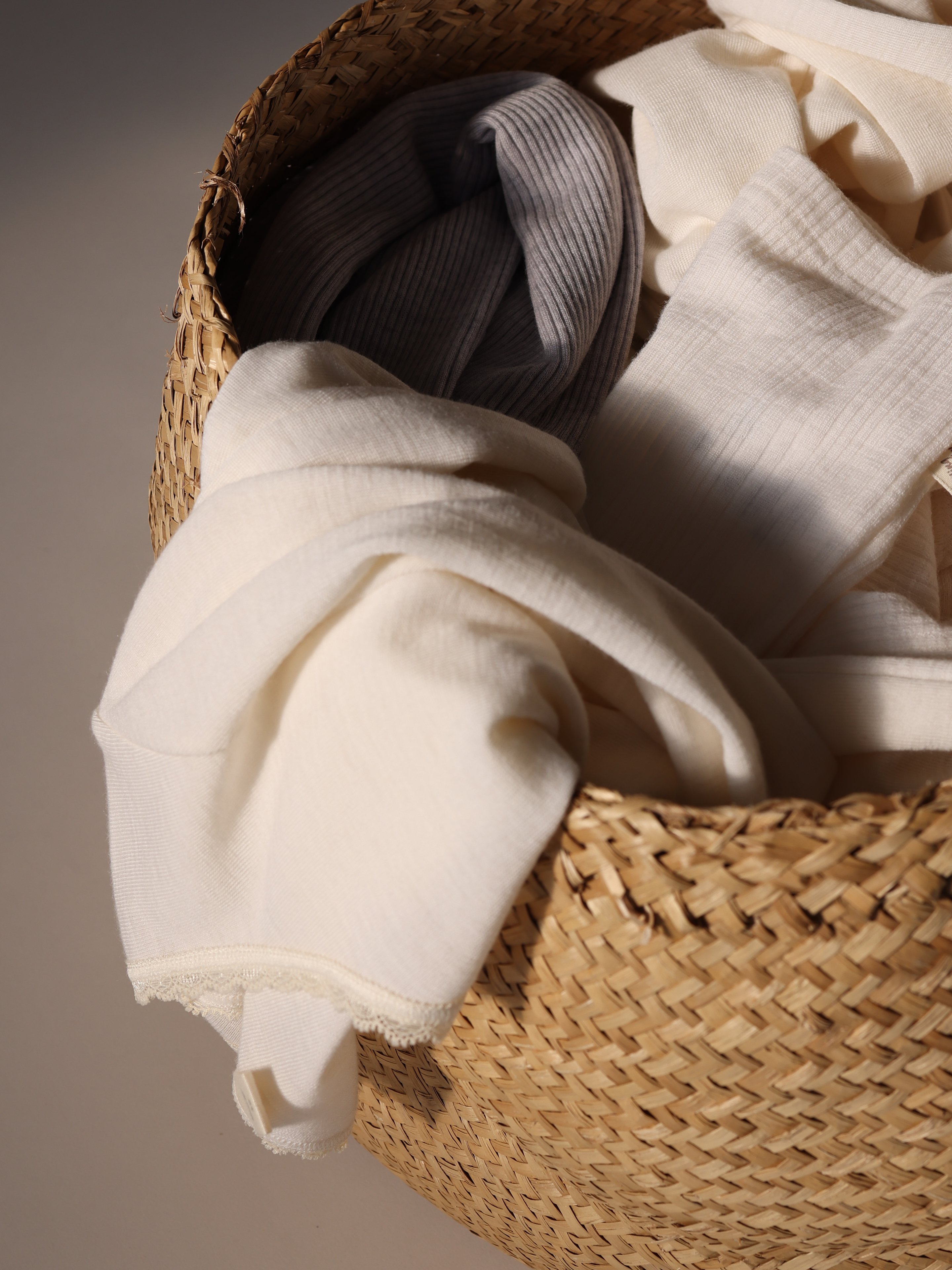
Our wool is produced without chlorine and plastic – in other words without the use of Superwash.
Superwash is a chemical treatment that coats the natural merino wool fibres with a thin layer of plastic to improve the wool’s washing abilities. Unfortunately, with this treatment a lot of chlorine (AOX) is discharged with the wastewater, which has a negative impact on the environment. The plastic coating also impairs a lot of the wool fibres’ natural properties – like absorbing moisture, regulating temperature and breathability.
Read more about the unique treatment of our wool here.
As our wool is not treated with Superwash, it requires a gentler washing routine and cannot withstand high washing temperatures or rough handling.
Below you’ll find everything you’ll need to know about washing, drying and storing your DILLING wool clothing.
Please note: Before following the care instructions listed, we recommend always checking the product care label on the inside of the clothing for specified instructions.
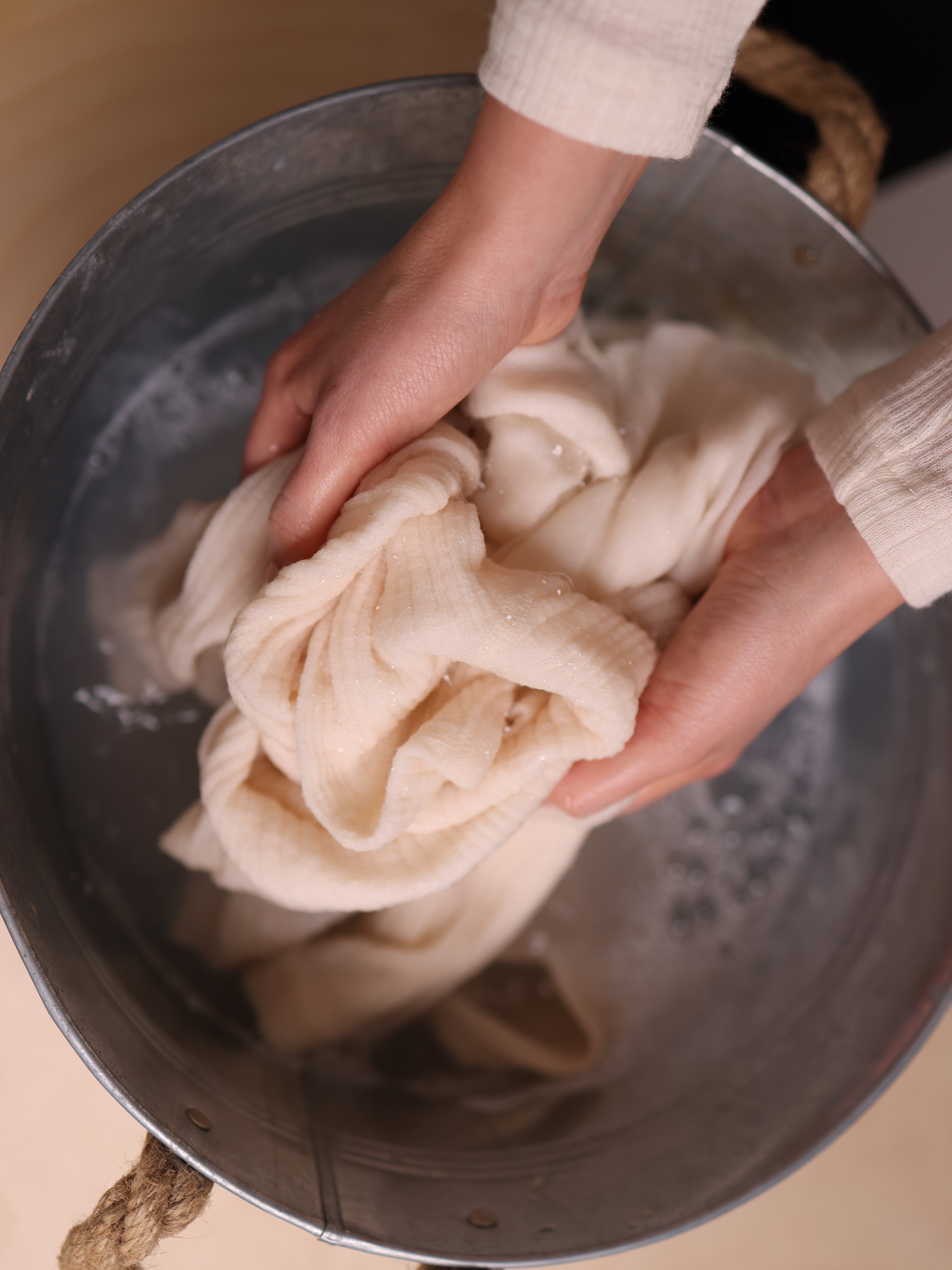
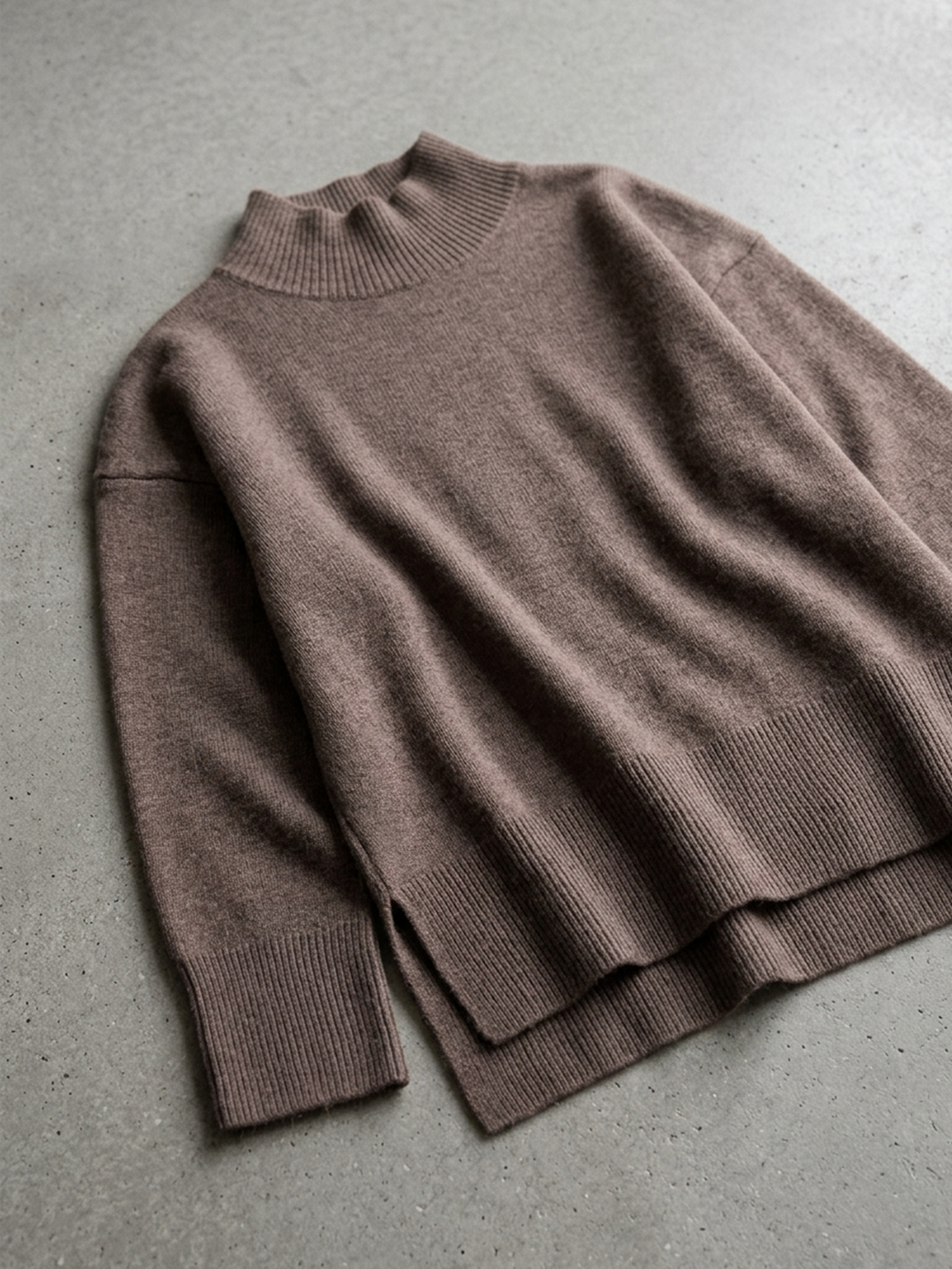
Storing
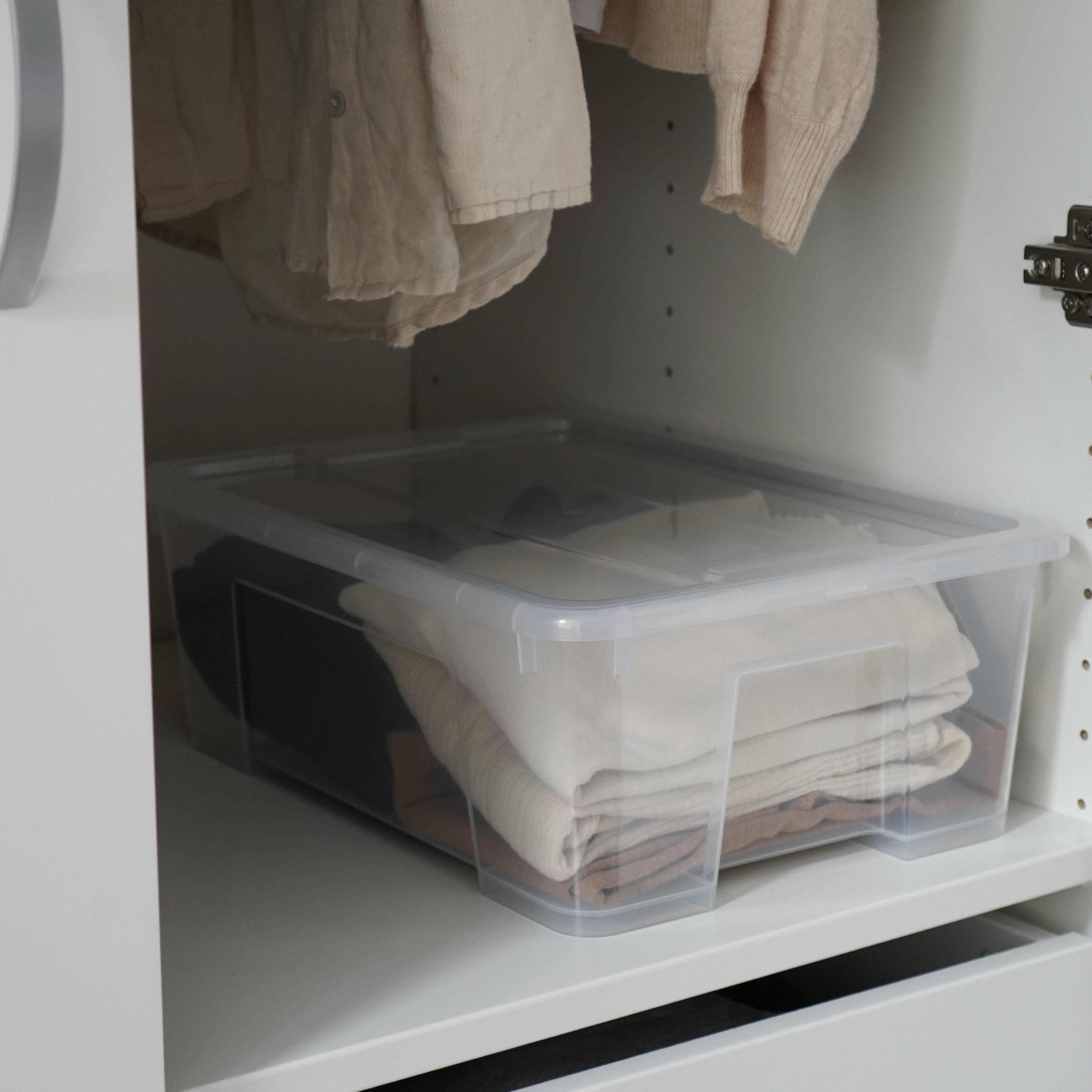
Fold or stack your wool clothing in your closet or drawer. Avoid hanging to prevent stretching the product.
If you plan to store away your heavier knitwear during summer, we suggest storing in airtight bags or boxes to avoid moths. Make sure your wool clothing is clean before storing. Clean wool is much less attractive to moths.
The best thing to do is wash and dry your clothing. When it’s completely dry, store it in an airtight bag or box to deprive any surviving larvae of oxygen.
You can also hang your clothing in frosty weather or put the clothing in your freezer for 24 hours or longer.
Vacuum and clean your closet before you put your clothes back in.
Moth damage is caused by the larvae. They chew through the fibres and leave small, irregular holes in the fabric. It’s an annoying – but fixable – problem. Visit our repair guide to find creative and easy ways to mend your clothing.
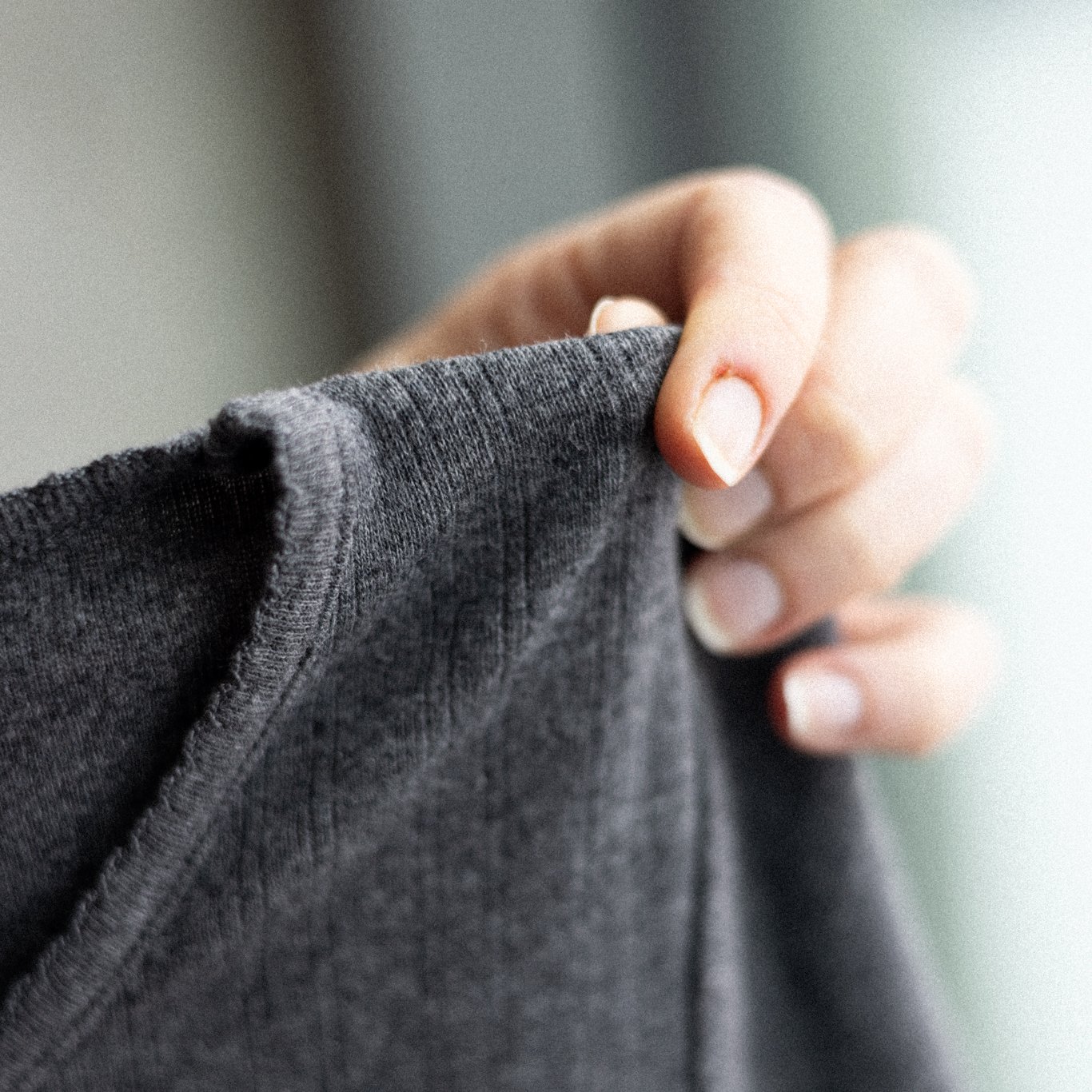
Clothing made from organic merino wool tends to develop excess wool – also known as pilling. This is a natural process when dealing with untreated wool clothing and does not affect the quality.
Pilling occurs when fibres in the material loosen due to movement and friction, forming small lint balls. It can also happen when loose fibres from other textiles (known as ‘foreign pilling’) attach themselves. These loose fibres from items such as blankets, cushions, and other clothing can cling to the raw wool fibres.
The small, harmless lint balls therefore either come from the fabric itself or from contact with other loose textile fibres.
How to remove pilling
There are several easy and effective ways to remove pilling.
You can gently brush the surface with a brush or a comb. However, the most effective method is using an electric fabric shaver, which carefully trims off the lint balls without damaging the fabric. You can use it on everything from clothing and blankets to sheets and sofas.
A fabric shaver is a great way to give your clothing and other textiles a longer life.
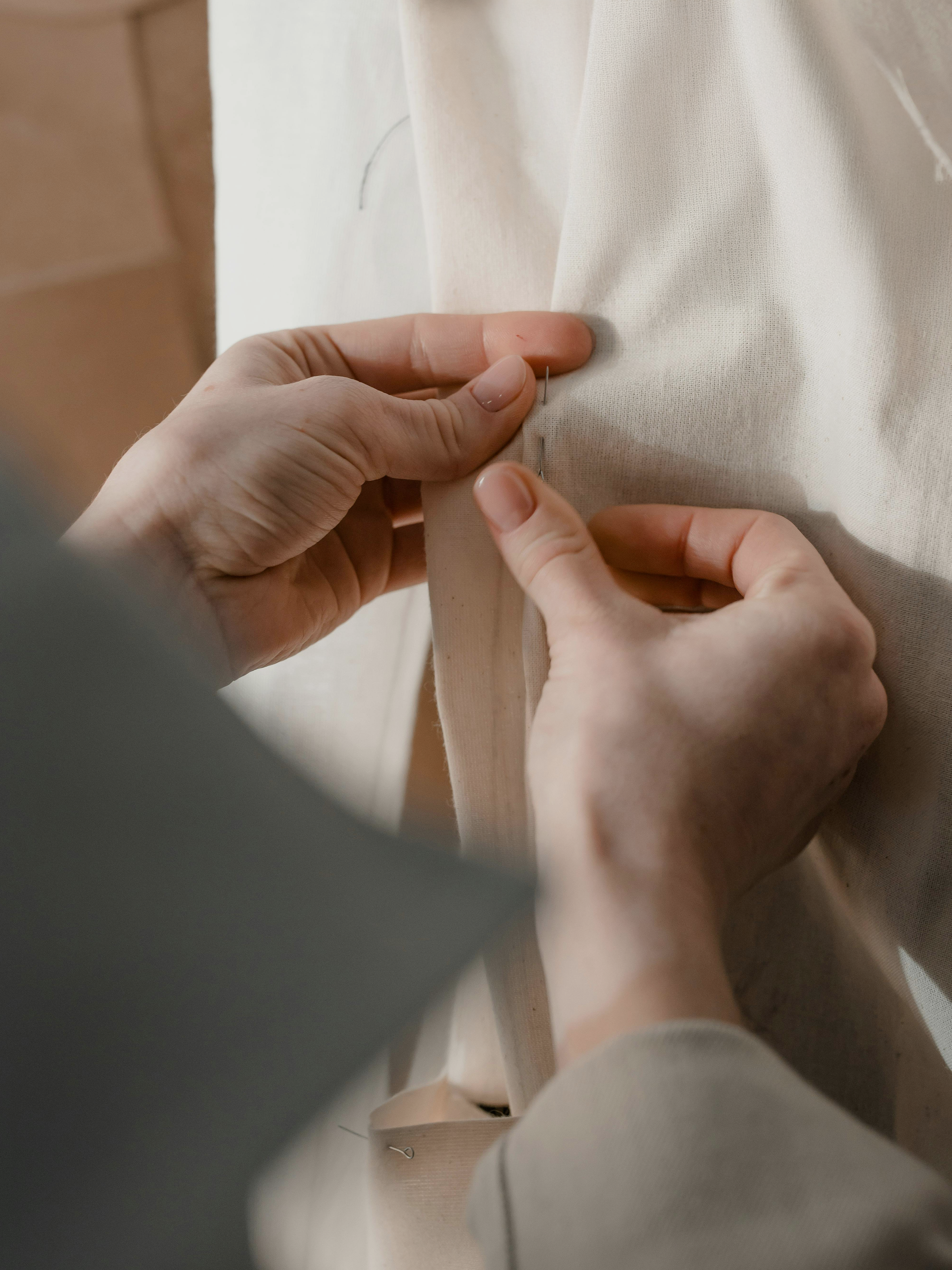
Merino wool clothing is naturally imperfect; it will show signs of use and get holes over time. But with small repairs you can make a big difference.
We’ve created a repair guide to help you keep your merino wool favourites rather than replace them. Access our repair guide here to find step-by-step guides and extend the life of your merino wool products.
When you no longer have use for your clothing, pass it on to someone else.
Download our free merino wool care guide.
Washing
Your wool clothing, actually, require less care than you might think. In fact, most of the time, you should hold off on washing your wool. Merino wool is naturally antibacterial and odour resistant which means it doesn’t require washing after every wear. To refresh between washes, simply air your wool clothing out. Hanging them overnight is often enough to remove light odours caused by sweat or wear.
Spot cleaning can also prolong time between washes.
When the time comes:
Please note: A few of our wool products are labelled: dry clean only. This information will feature on the specific product detail page online as well as on the product care label.
Drying
The cardinal rule of drying your merino wool: Never tumble dry. Even a brief hot tumble damages the fibres. The heat will shrink and felt the natural fibres and the friction is harder than wool can handle.
Instead, hang or lay your wool clothing to dry on a drying rack. If possible, we recommend you dry your wool clothing flat to maintain its shape.
Many hours, hands, and resources go into the making of every article of clothing and by donating, you’re giving your unwanted clothes new life. There are many ways to do this.
Use your local resale platform to give your pre-loved products a new home
Explore more
The simplest way to avoid moths is to wear your wool. Moths don’t attack clothing in frequent circulation.
If your wool is not worn regularly, we recommend the below steps to protect your wool from moths.