Animal welfare
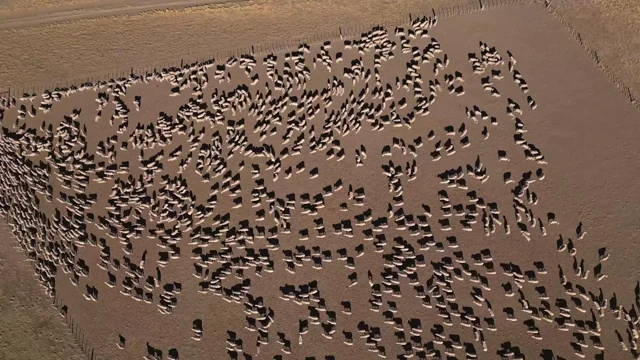
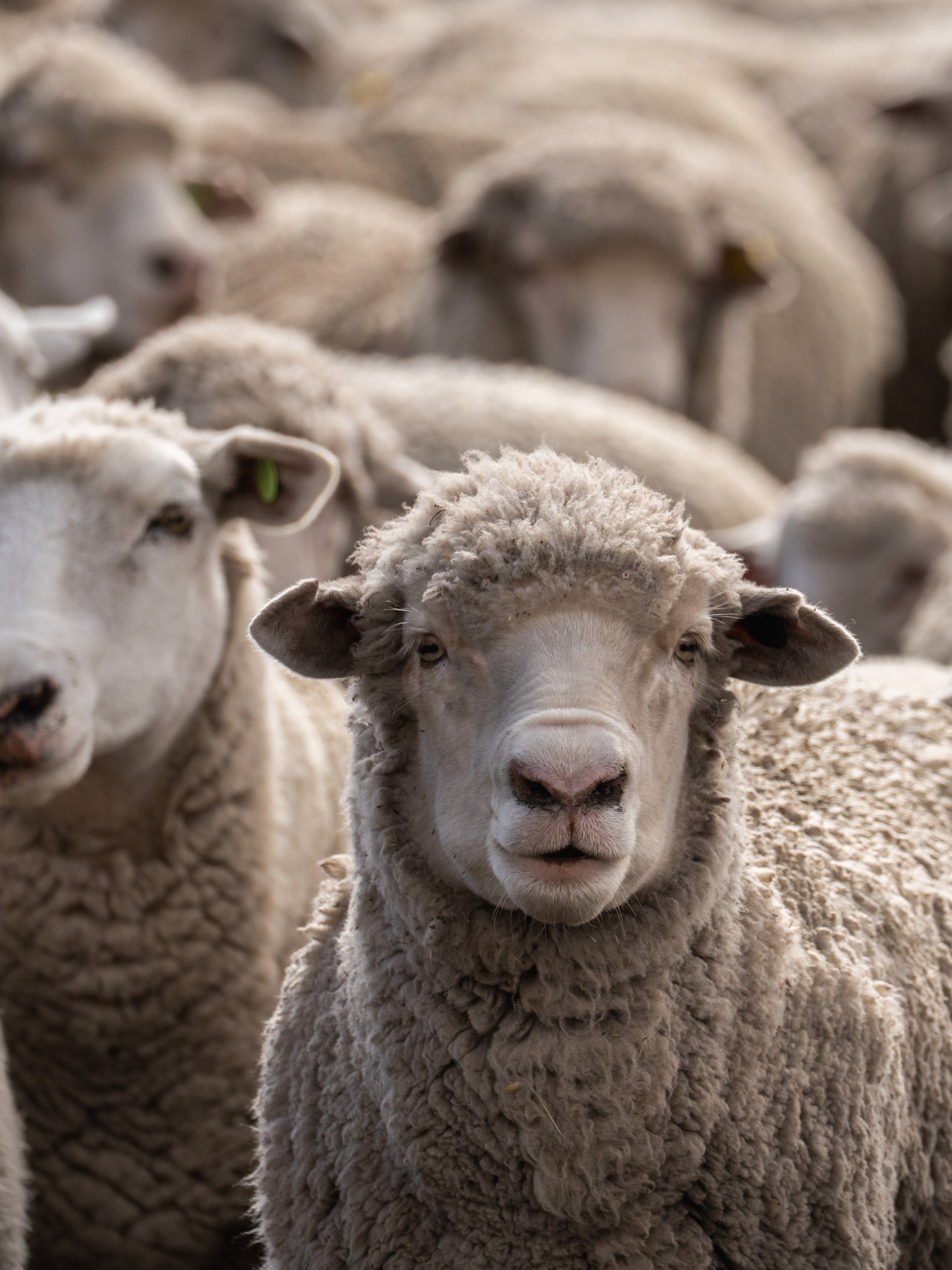
Happy sheep produce finer wool.
It’s a simple win-win, really.
At DILLING, we care about good working conditions for everyone involved in our production – not least the sheep that provide the outstanding merino wool for our products. To us, this means upholding high standards for the way the animals are cared for, along with setting standards in place to ensure their wellbeing.
Suppliers with solid values
We only work with trusted partners who share our passion for wool and respect for the animals. All our merino wool is organic and comes primarily from Patagonia in Argentina. A smaller proportion of the wool comes from Uruguay.
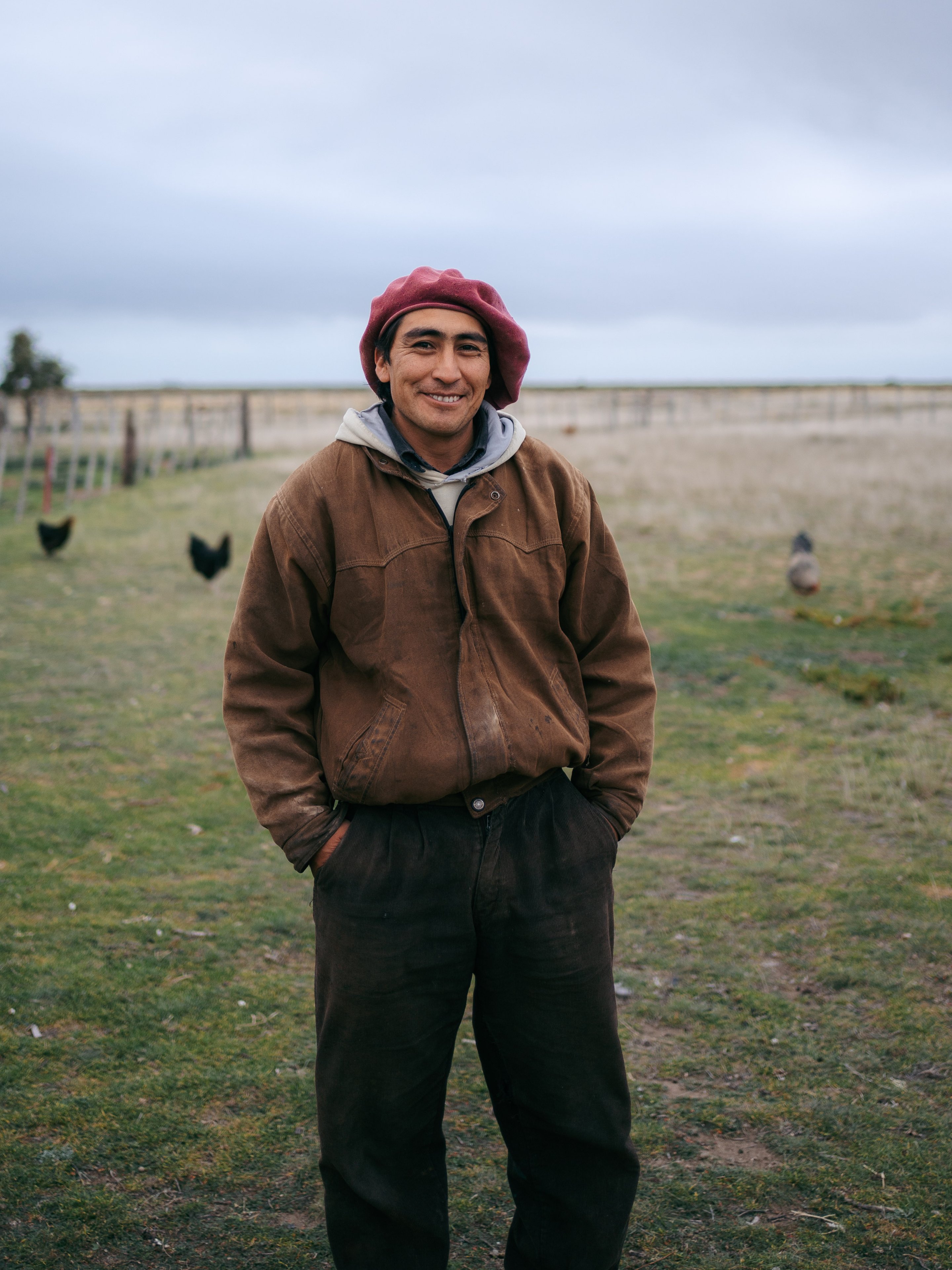
Much of our merino wool is supplied by our Argentine partner, Fuhrmann, who is responsible for several family-owned farms in Argentina. Here, the sheep roam and graze across vast areas of natural vegetation. DILLING has chosen Fuhrmann as a business partner and supplier because our companies are so alike in many ways. We’re both passionate about what we do, and we wholeheartedly support animal welfare.
Want to know more? Visit our Argentinian supplier’s website here.
01
02
03
04
05
The Five Freedoms of sheep
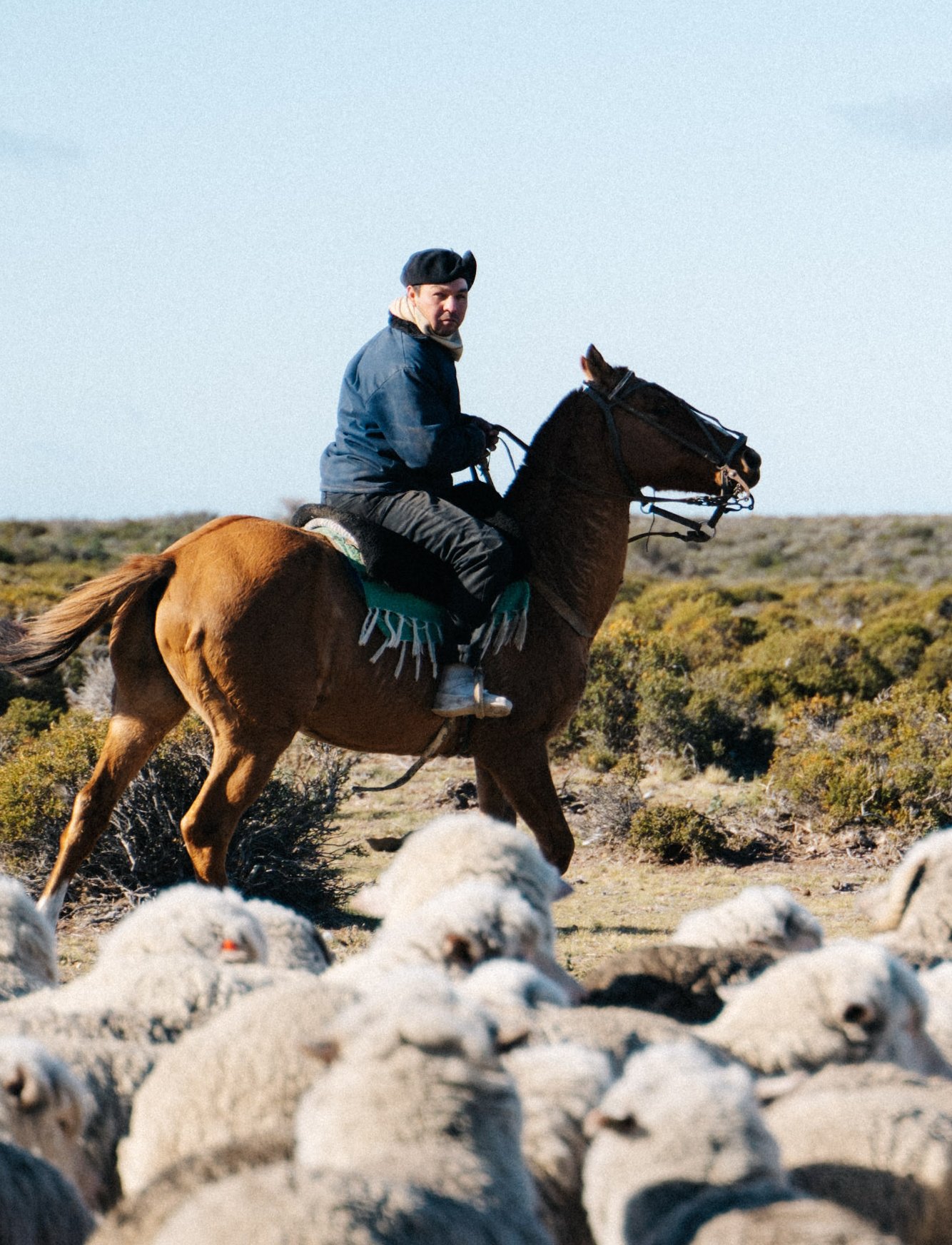
In Patagonia, the sheep roam freely and undisturbed across vast natural areas with native vegetation and access to water supplied by wind- or solar-powered pumps. To ensure enough space, the number of sheep on each area is limited. In addition, in order to not disturb their natural way of life, the sheep are allowed to roam with as little unnecessary human intervention as possible.
The wellbeing of the sheep is our highest priority. They are cared for and bred in accordance with the Five Freedoms, as defined by the World Organisation for Animal Health (WOAH) – an organisation with 183 member countries (2026) dedicated to improving animal health and welfare worldwide.
Developed in 1965, the Five Freedoms remain widely recognised and respected internationally. They describe the conditions animals should live under when in human care – conditions that are respected and upheld throughout our production. The Five Freedoms ensure animals have the opportunity to live:
1
Free from hunger and thirst
2
Free from discomfort
3
Free from pain, injury and disease
4
Free to express normal behaviour
5
Free from fear and distress
Frequently asked questions - about our flock
When the lambs are approximately 100 days old, they are separated from their mothers. At that time, they are big enough to take care of themselves and no longer need milk to survive. The weaning is a natural process and in nature, the lamb and the ewe will part when the ewe no longer produces milk. On the farms, the lambs will be placed in special paddocks, where they are fed for the first couple of days to ease the transition and avoid any stress that might be caused by the new situation.
In Argentina, tail docking is considered a normal procedure. In the rainy season, when the ground is constantly wet, mud and feces will gather as a lump around the tail. When that mass dries, it can stop the blood circulation, which can cause serious infections for the sheep. To avoid that, the tail is cut off when the sheep is very young. This is done with a special tool that reduces the pain, and the wound is closed right away to avoid bleeding.
No, we do not use wool from sheep that have been subjected to mulesing.
Wool production has received media attention on several occasions due to the practice of mulesing. Mulesing is a procedure in which a flap of skin around the breech (buttocks) of the sheep is cut off. The procedure is often carried out without pain relief and can cause significant discomfort and pain to the animal.
Mulesing is most commonly practised in Australia as a way of preventing flystrike, a condition where flies lay eggs in the skin folds around the sheep’s rear. Once the eggs hatch, the larvae can cause infection and severe unpleasantness for the sheep.
Our merino wool primarily comes from Argentina and Uruguay, where flystrike is far less common. In addition, certifications that do not permit mulesing help support high standards of animal welfare. We believe that the combination of our wool’s origin and certifications provide assurance that mulesing is not practised within our supply chains.
In Argentina, the distances are huge, and there are vast, open spaces between the farms. The sheep roam these lands and graze on large areas of natural vegetation. They drink water that has been pumped up using wind or solar energy.
Sheep dipping is a practice by which sheep are passed through a water bath containing a compound of chemicals to help prevent sheep scab and parasites like ticks, lice, and blowfly. The sheep must be briefly submerged in the water to make sure the compound is applied all over the animal’s skin – from head to toe. The practice is intended to help improve the sheep’s welfare as you eliminate ticks and lice that will otherwise cause the animal great discomfort. If done correctly, this practice is not considered stressful to the animals.
Sheep dipping is a common practice in countries like Uruguay, Chile, the UK, Europe, and New Zealand. Parasites and sheep scab are very rare in Patagonia, even more so in the areas where our sheep live, therefore sheep dipping does not take place at any of our farms.
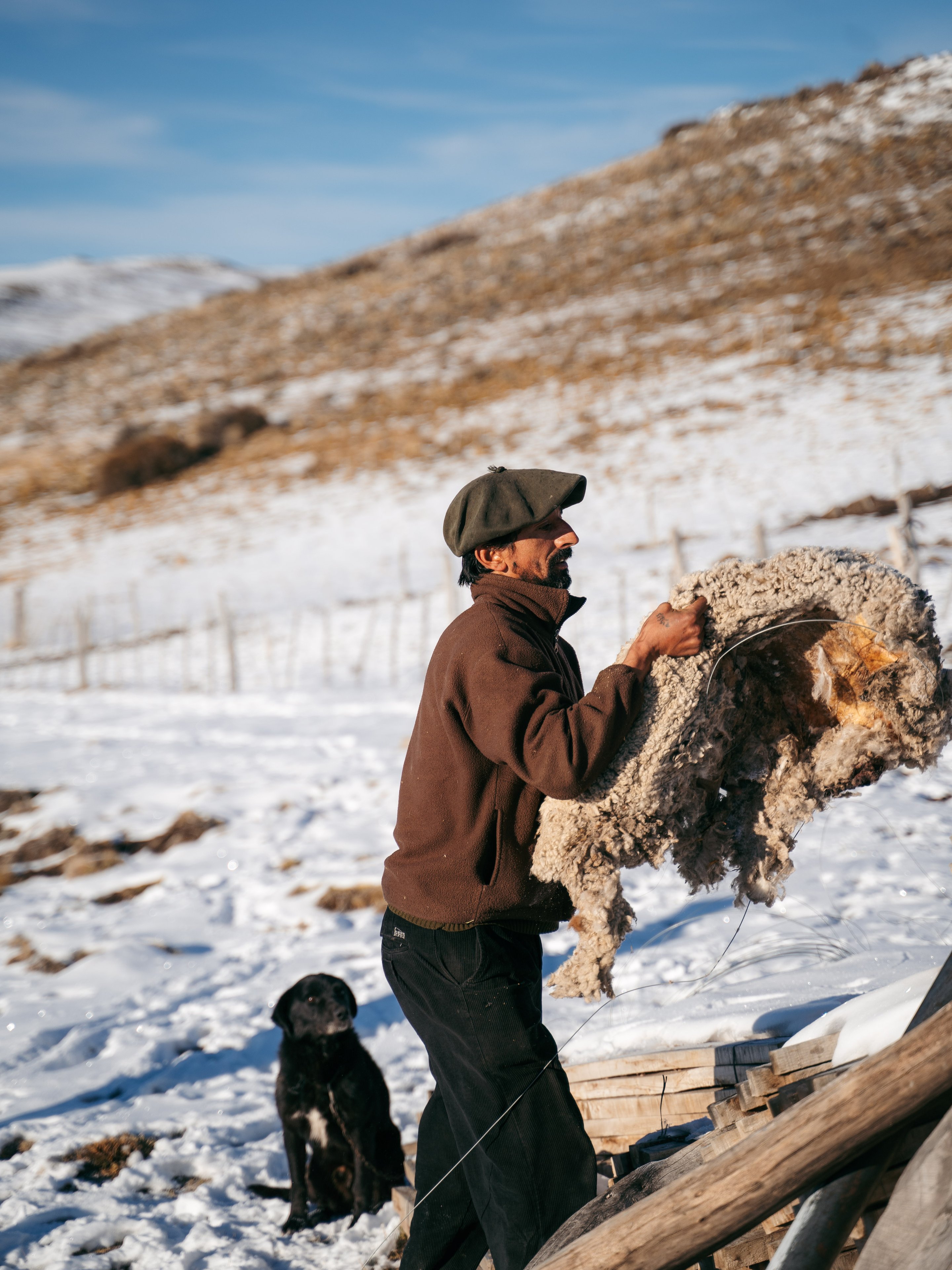
Once a year, the sheep are shorn by professional sheep shearers. It only takes a few minutes, and it is done with care and respect for the animal. If they are not trimmed, they will suffer from the weight of their wool and the summer heat. The sheep in Argentina are not completely trimmed. They will keep some of their wool – partly to avoid the trimmer cutting them, but also to make sure that the sheep will not freeze afterwards.
In some regions of Patagonia, the predominant vegetation consists of shrubs and tough grasses, complemented by seasonal fresh grass that grows after rainfall. This special diet means that the sheep's teeth tend to wear down faster compared to those kept in captivity. When the sheep are four to six years old, they begin to lose their teeth, which makes it difficult for them to graze and feed themselves. As a result, it may become necessary to relocate the sheep to areas with milder climates and more abundant grazing opportunities, where they can typically live an additional three years. Our supplier in Argentina keeps the sheep until they are six years old. Depending on their health, they are then either sold to local farmers with lush pastures on which they can live for a few more years – or sent to the abattoir.
Meat production is a natural part of agriculture in Argentina. Farms butcher for their own consumption, but most animals are sent to professional abattoirs. Regardless of where the sheep are slaughtered, the focus is on ensuring that they do not suffer. On the farms, the sheep are separated from the others before slaughter and killed with a knife; at the abattoirs, they are killed with a bullet.
On the farms, it is necessary to castrate the rams. There are multiple reasons why. First, it creates order and peace on the farm. The rams are usually more aggressive, and often they fight and jump the fences. So, if you have lots of rams on one farm, they can create chaos.
Secondly, there will be problems if a ram jumps over a fence and into a paddock with ewes. This can result in lambs being born at the wrong times of the year, e.g. when it is cold and dry. At those times of the year, it is difficult for the lambs to survive, and many may die. To ensure great animal welfare it is therefore important that the lambs are born in the spring, when the climate is good, and the ewes have plenty of food to produce enough milk.
Every flock has around 5% rams and these are separated in special paddocks. This way, it is possible to choose the best males for breeding, to, eventually, end up with the best wool and reduce the risk of health problems.
Castration is performed by putting a rubber band around the testicles to stop the blood flow to the area. The advantage of this method is that the area will quickly become numb, and it is therefore considered the least painful method. In addition, you avoid open wounds that can cause infections.
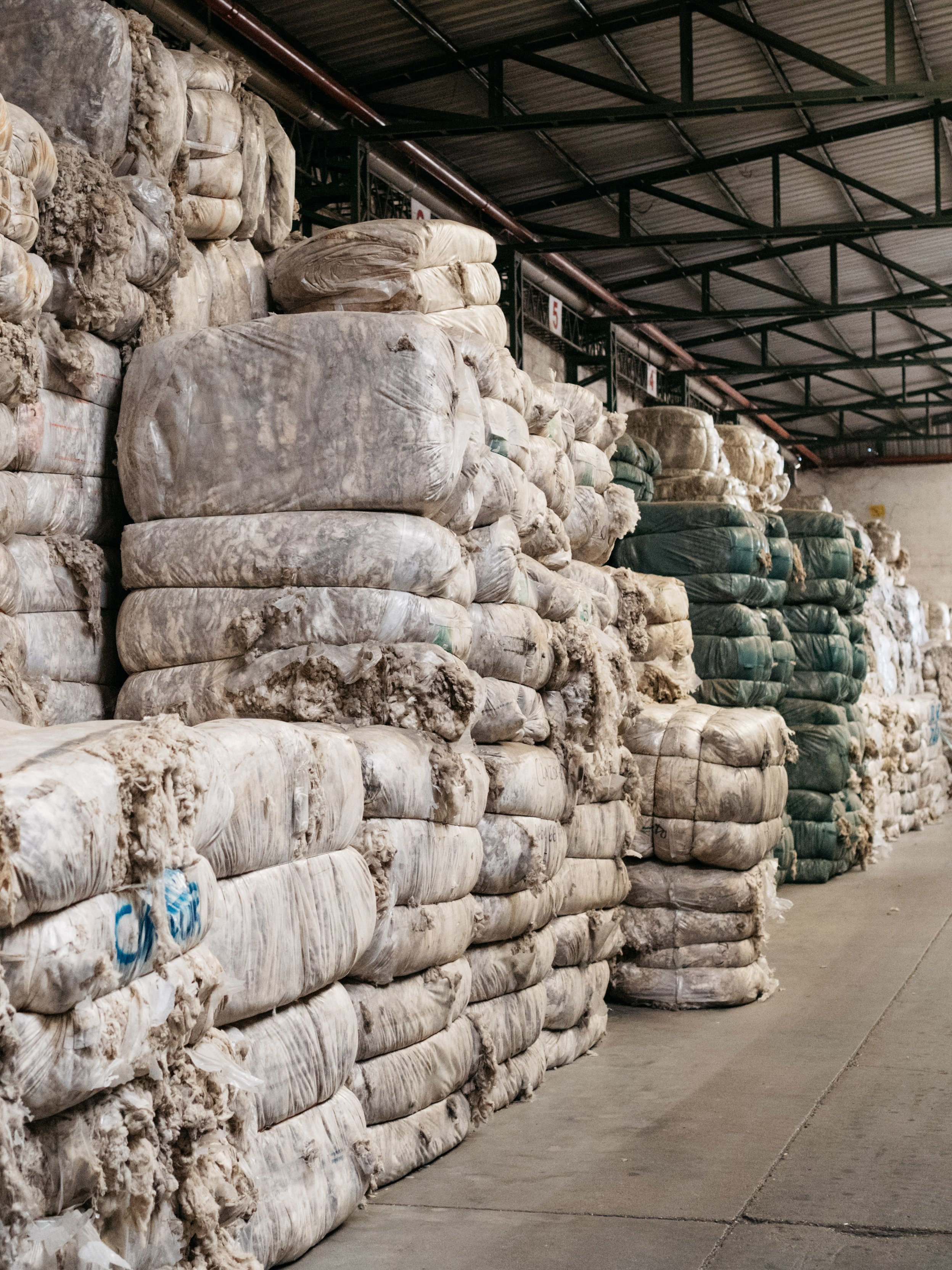
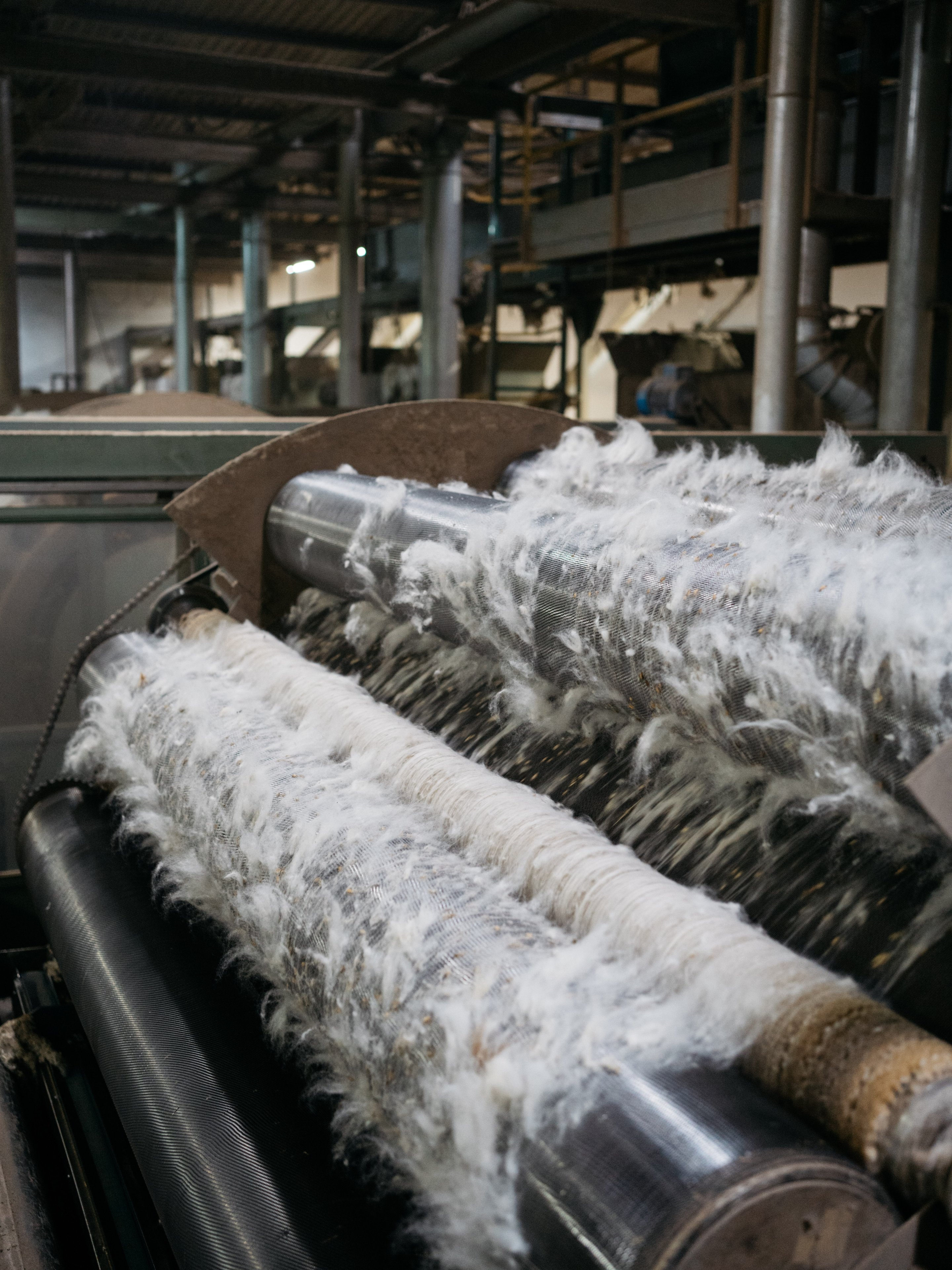
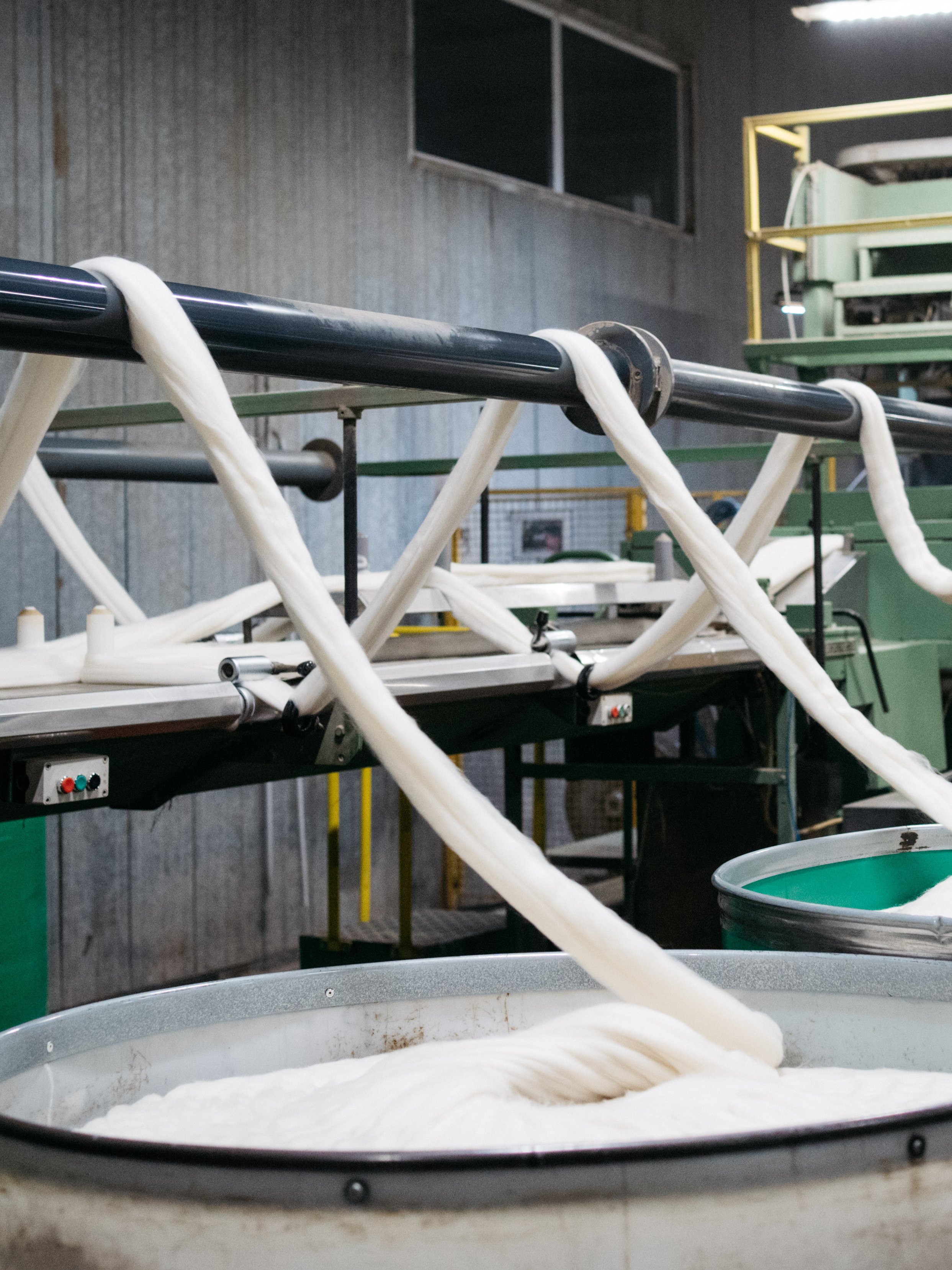
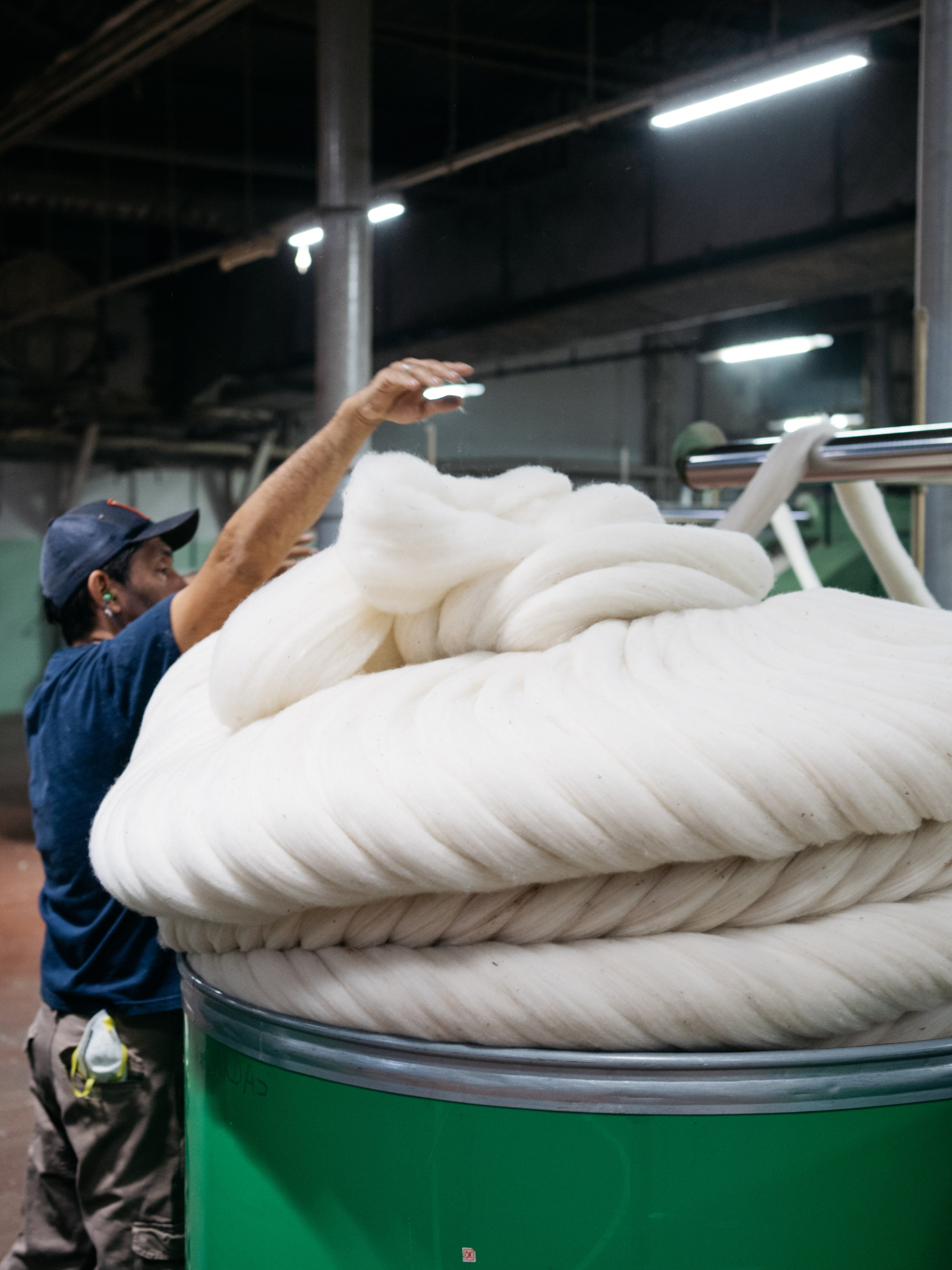
After the sheep have been sheared, the wool is washed. The washing process takes place in a continuous line, beginning with the physical opening of the wool with a drum carder. The washing process is carried out with an automatic wool scouring machine which, with very soft movements, drives the wool forward through seven stations. At the first number of stations, the wool is washed with hot water and biodegradable soap. At the end of each station is a crimping press, which presses the wool, separating grease and dirt. At the remaining stations, the wool is rinsed with clean, warm water. Finally, the wool goes into a dryer, which reduces the moisture and makes the wool ready to be carded.
During the process, the fat from the wool is extracted through centrifugation and then turned into Lanolin. Fuhrmann is the only company in the world that sells organic lanolin. The water from the washing line is treated in an internal plant that separates the chemicals from the water, which is then directed into ponds where it evaporates naturally. Patagonia is a semi-arid climate with just 250 mm of rainfall per year, making evaporation very efficient. The water from the rinsing basins is also treated so that it can be reused, for watering trees or for the mill's garden.
Explore more