Free delivery
Free delivery with purchases over £49

100-day return
Returns are accepted within 100 days

Shipping
Your order will be delivered within 3-5 working days
Free delivery
Free delivery with purchases over £49
100-day return
Returns are accepted within 100 days
Shipping
Your order will be delivered within 3-5 working days
Why and how to do it, from A to Z.

When you have finished knitting, there are two steps left: washing and then blocking. This is the process in which your hand-knitted woollen garment truly comes into its own and gets a finished look. The stitches straighten out and become more even, and the wool opens up.
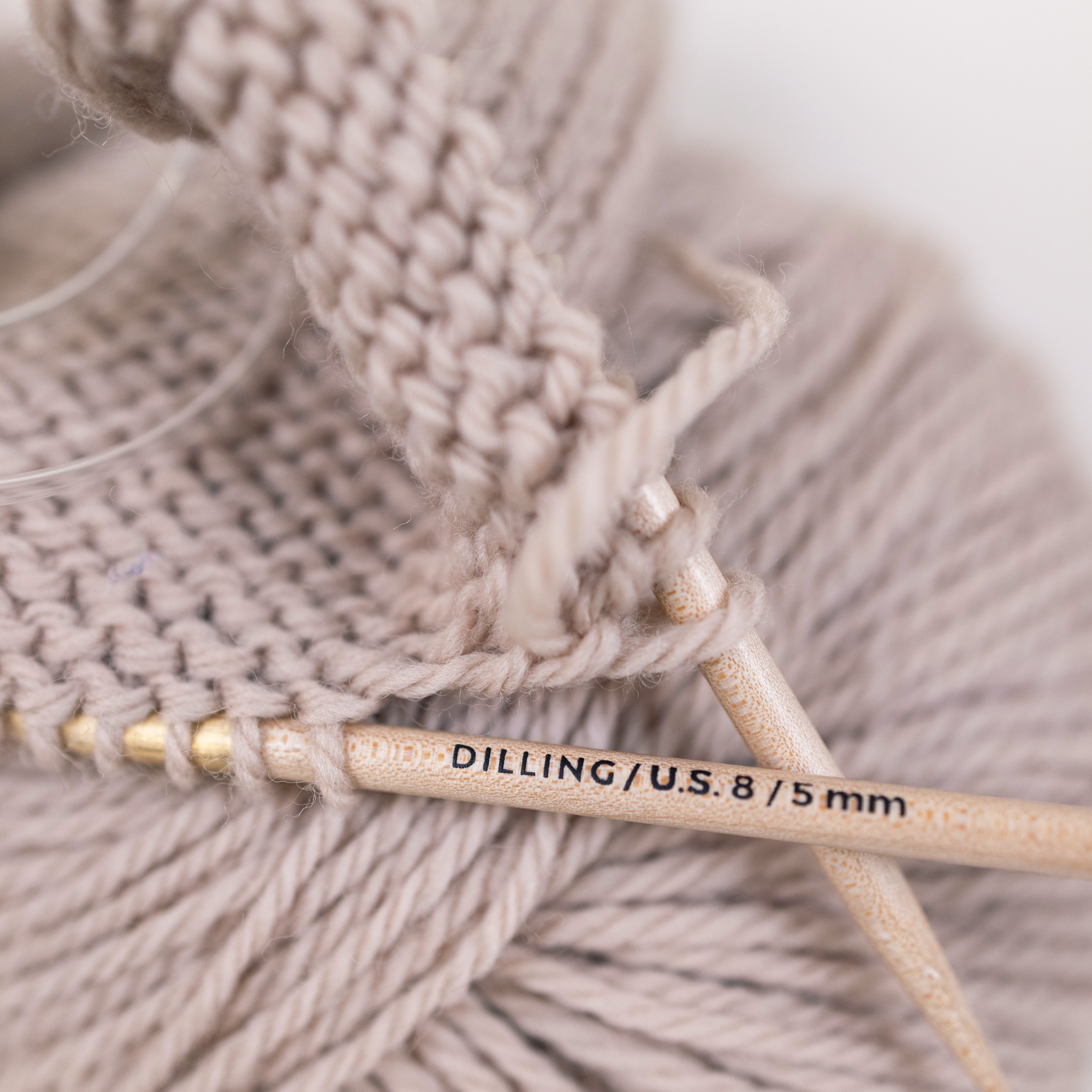
What is blocking – and why do we do it?
Washing and blocking are the last important steps before you can call your knitting project finished. You gently wash the knitting by hand, shape it on a flat surface to the measurements in the pattern and leave it to dry flat there.
When you block wool knitting, you will notice that unevenness and small mistakes even out. The wool settles into place, so to speak, and looks more finished. Do the edges of your knitting curl and roll up, for example? That is exactly what blocking helps with.
If the yarn is dyed, any excess dye will also be washed out at this stage.
There are a few things you need to have at hand before you start:
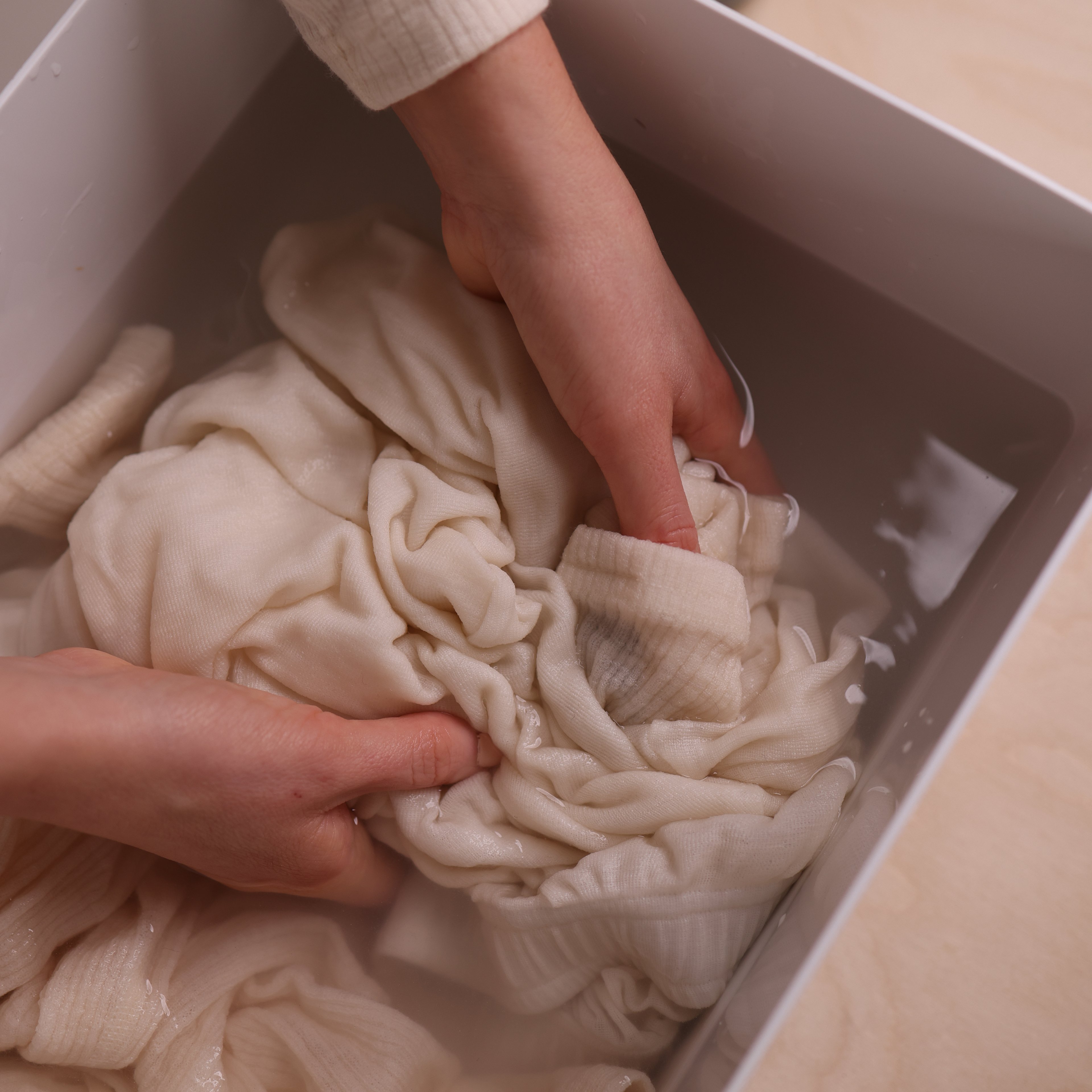
We have all made the same mistakes and ended up with a felted woollen jumper. And when that happens, there is unfortunately nothing to be done. Here are the most common mistakes, so that you hopefully avoid wasted work:

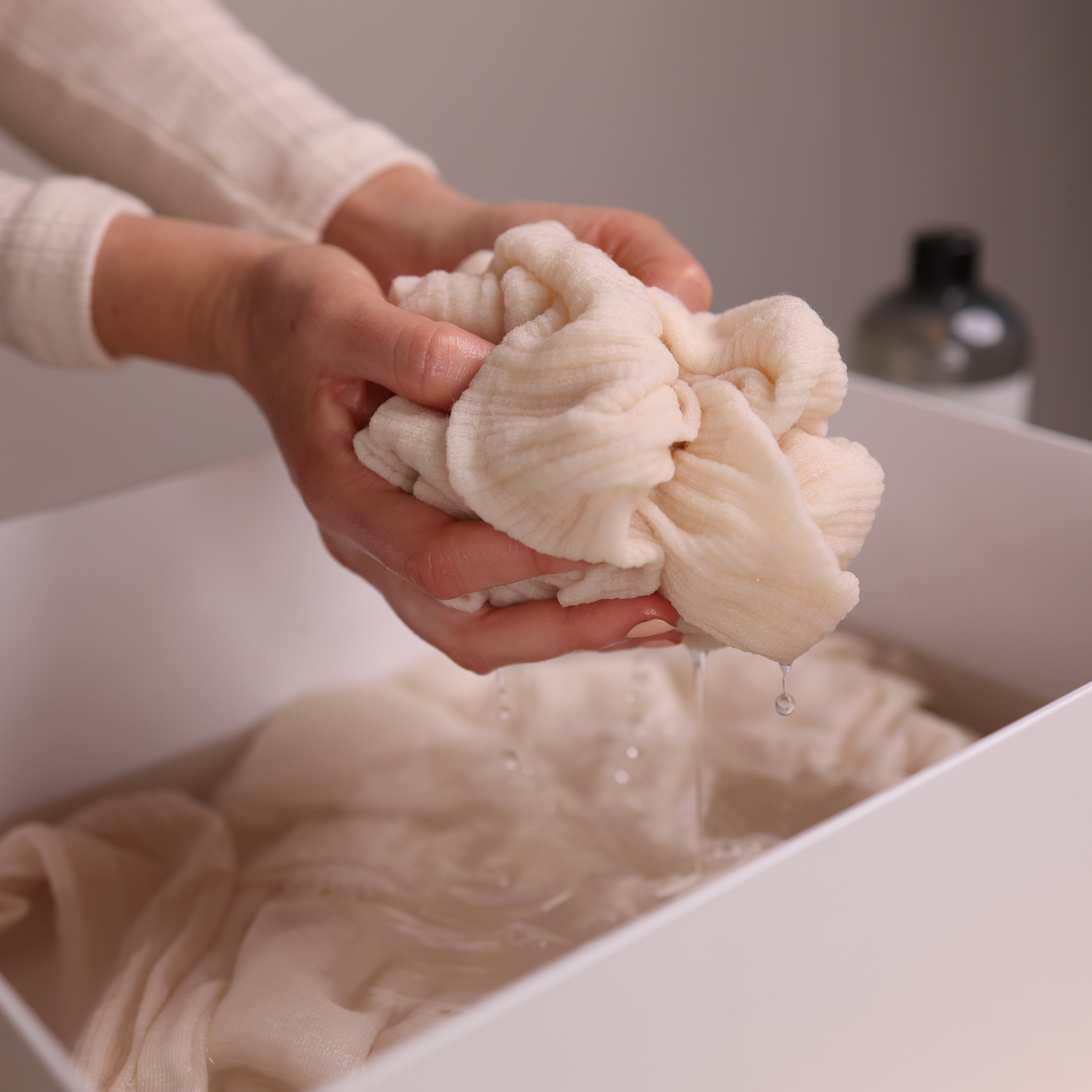
How to care for your hand-knits from now on
Your woollen garments actually need less care than you might think. In many cases you can skip washing altogether and simply hang them out to air overnight. That is often enough to remove unwanted odours and give a “freshly washed” feel.
When it is time to wash your hand-knits, you can read our recommendations in our guide to caring for your hand-knits.
Explore more