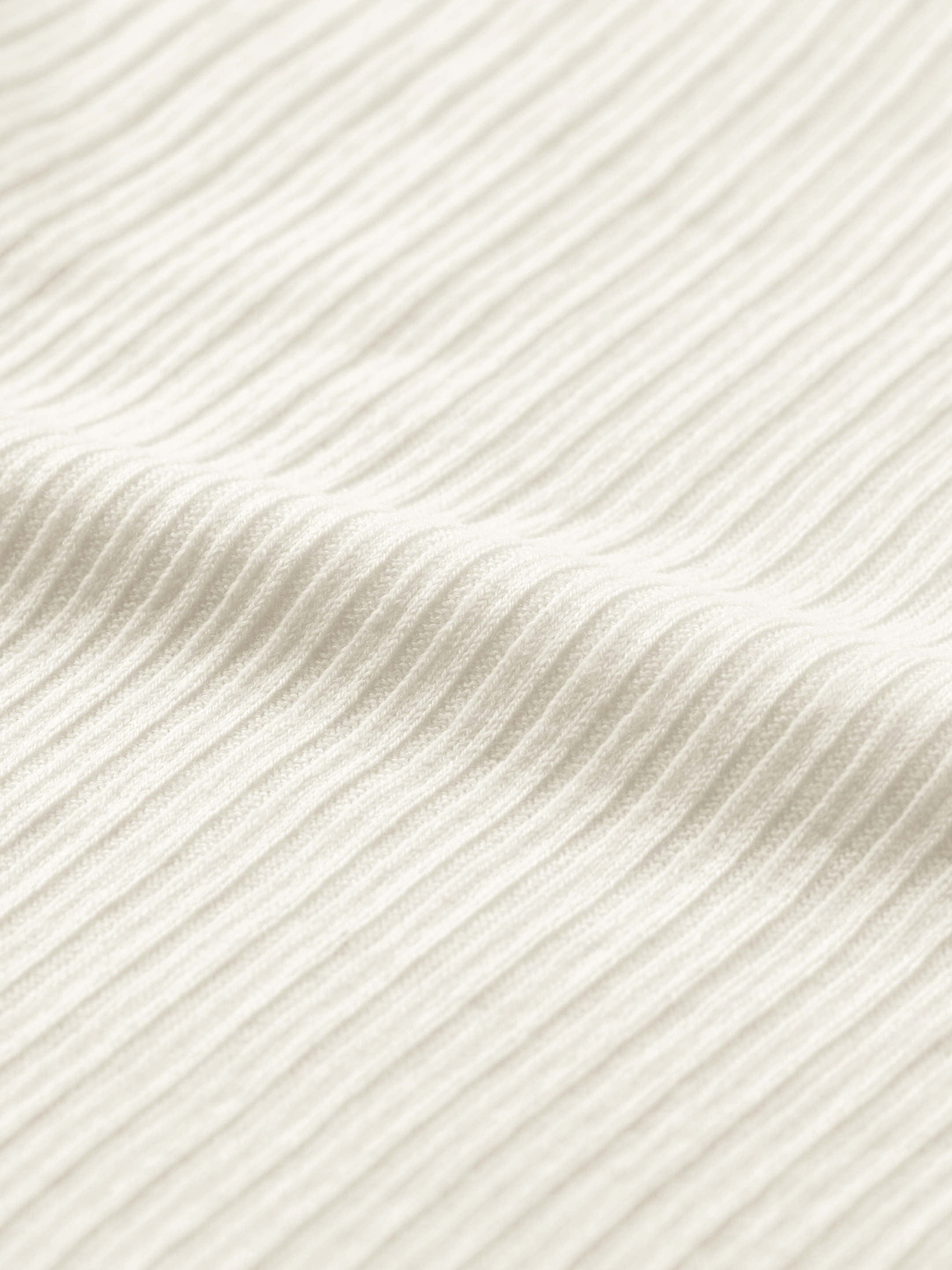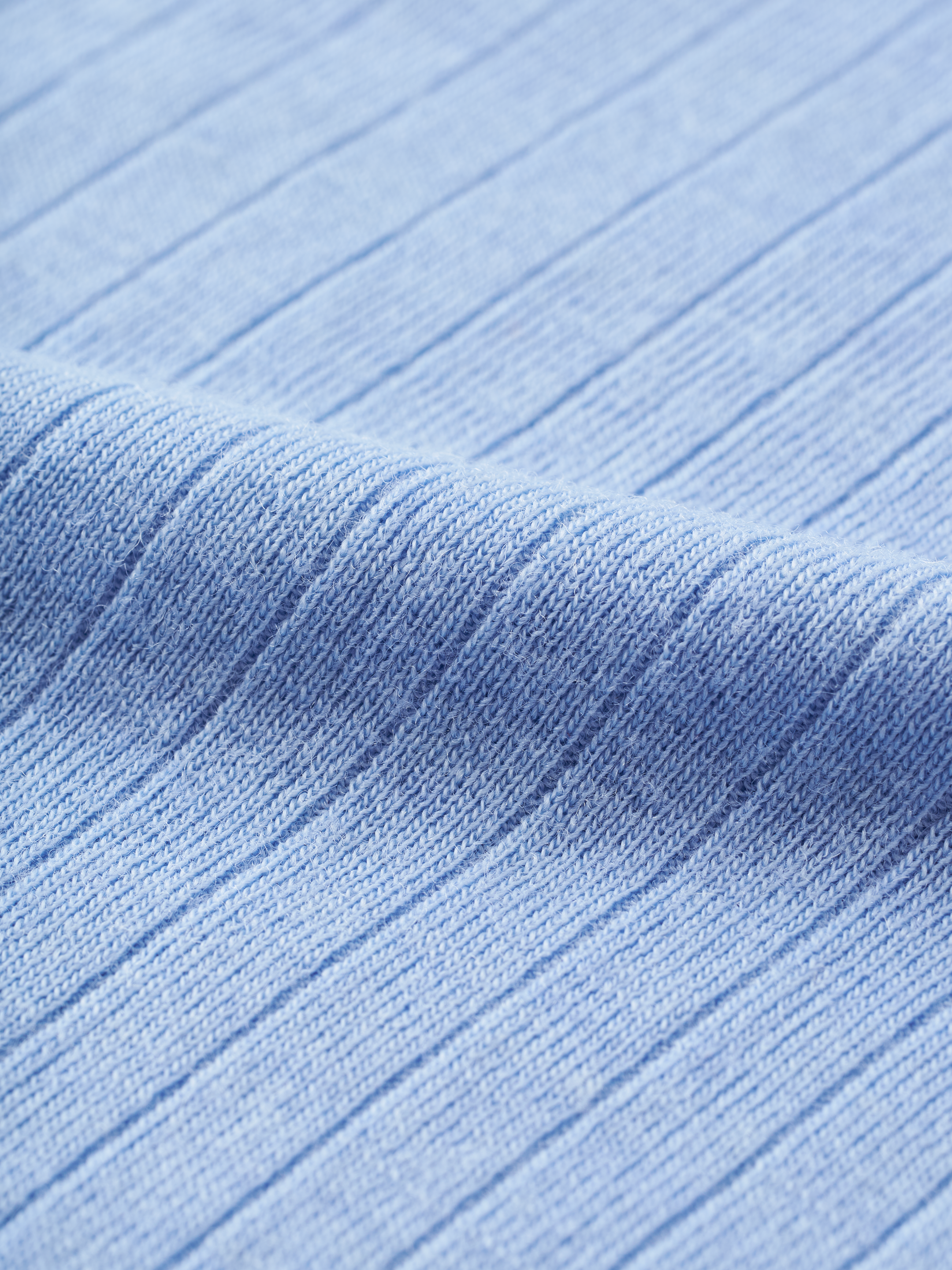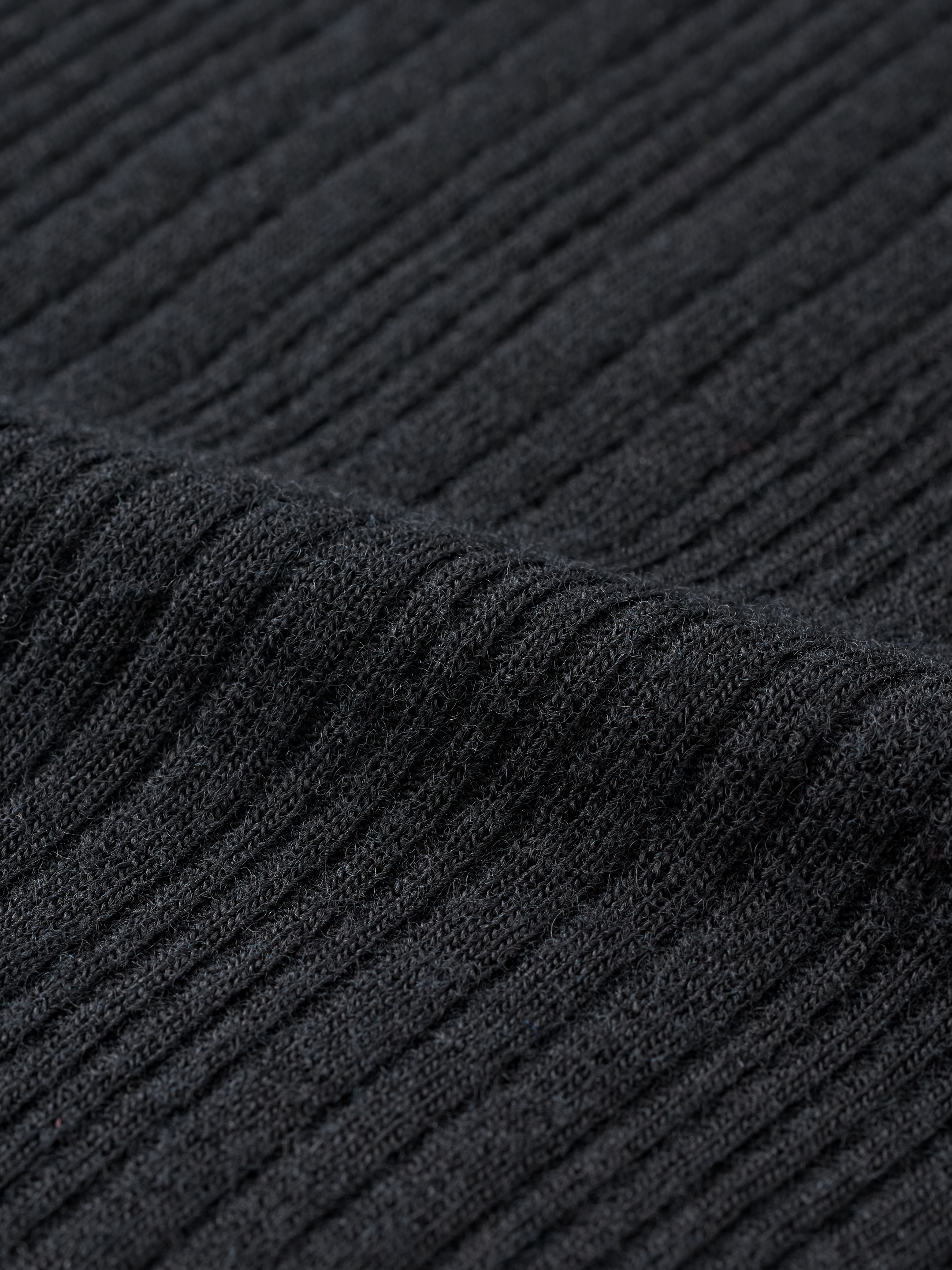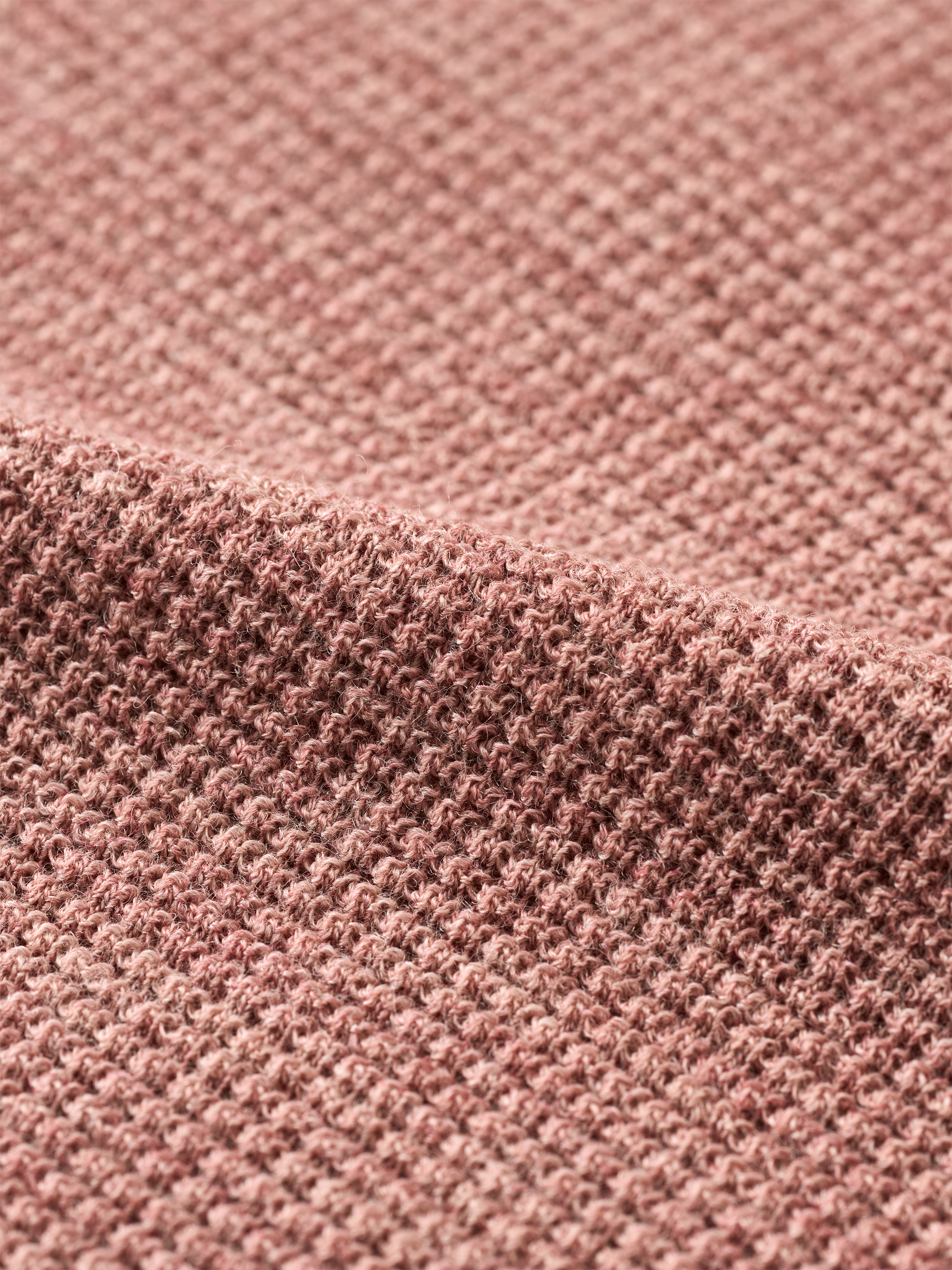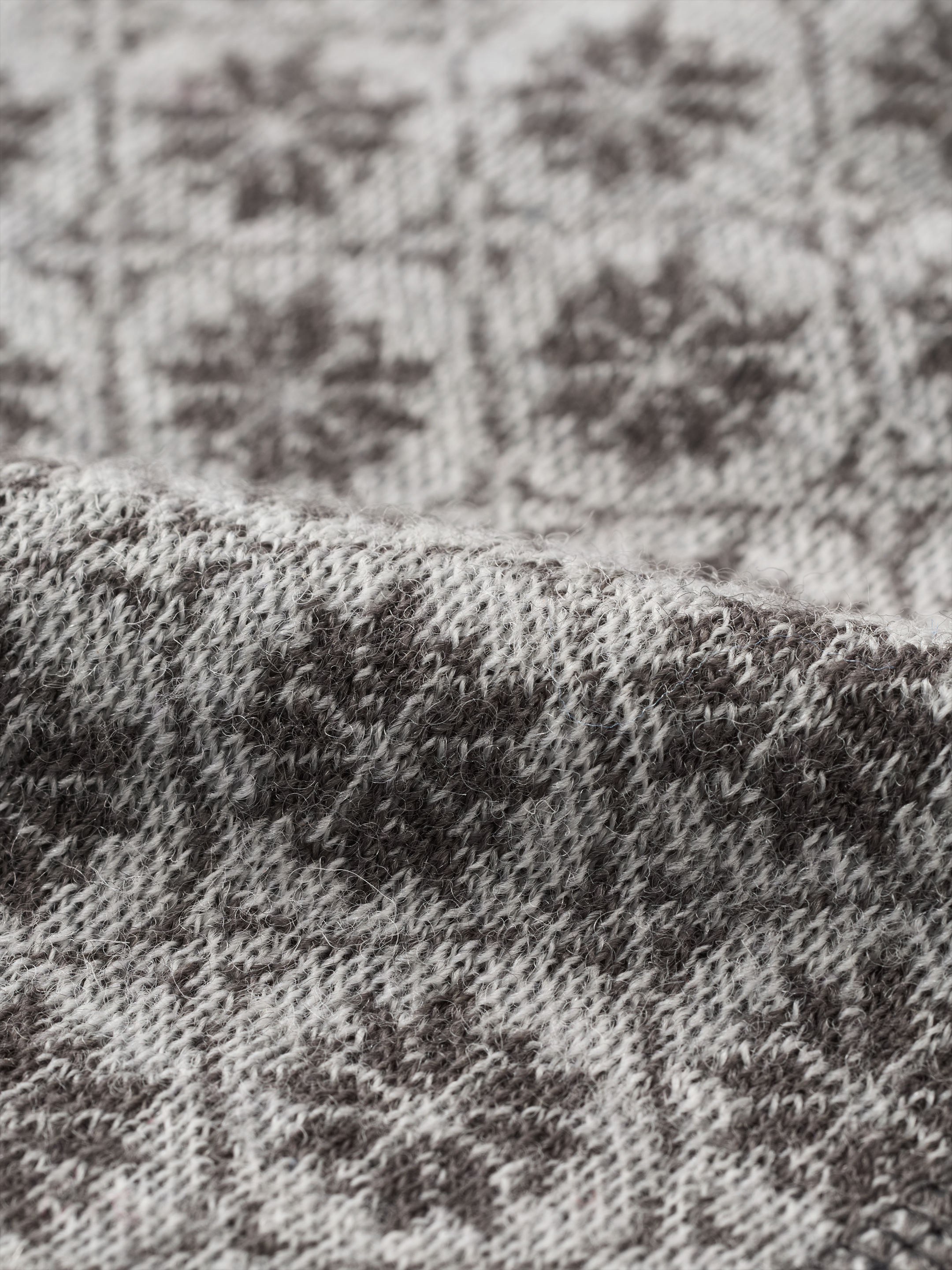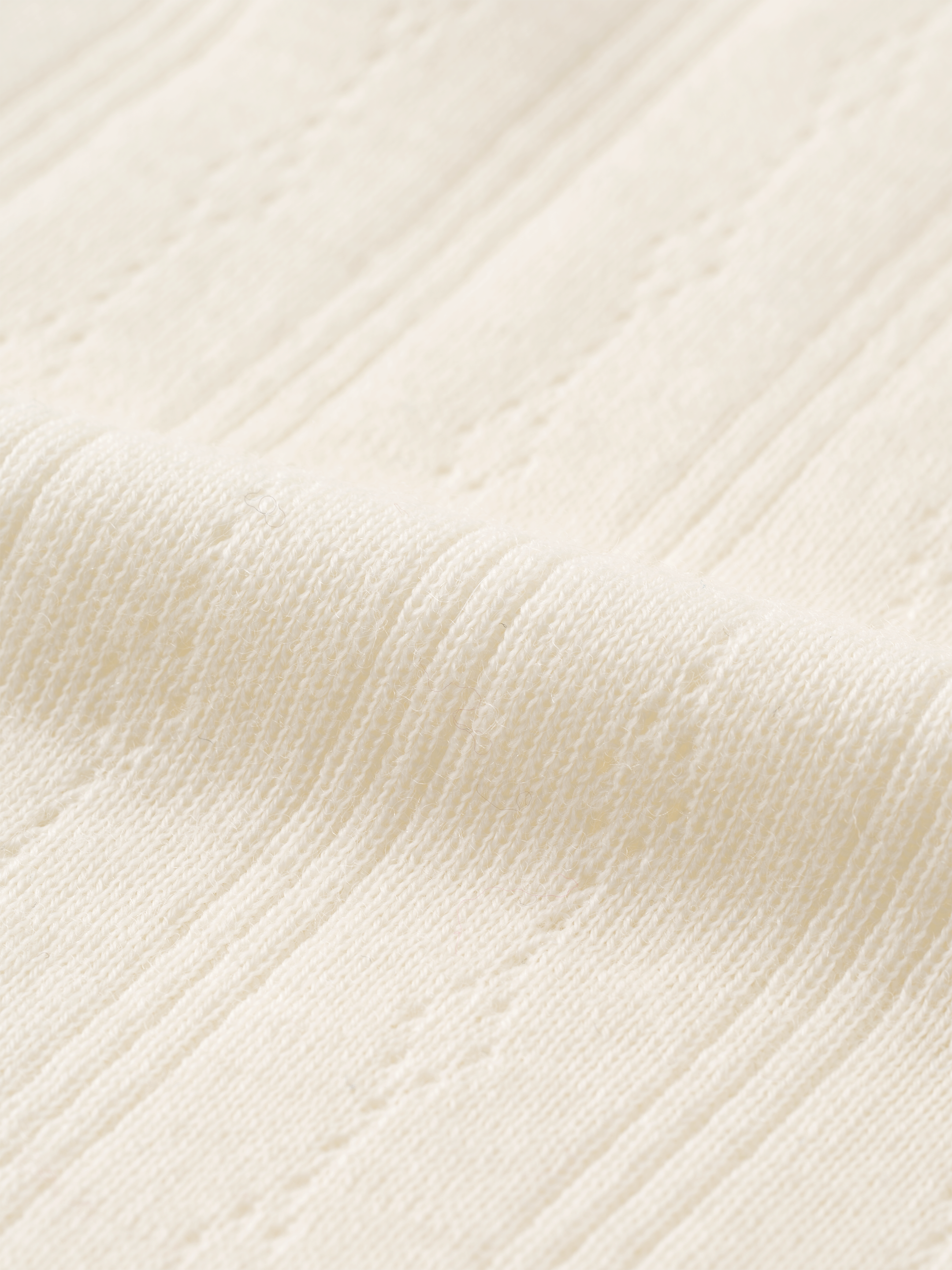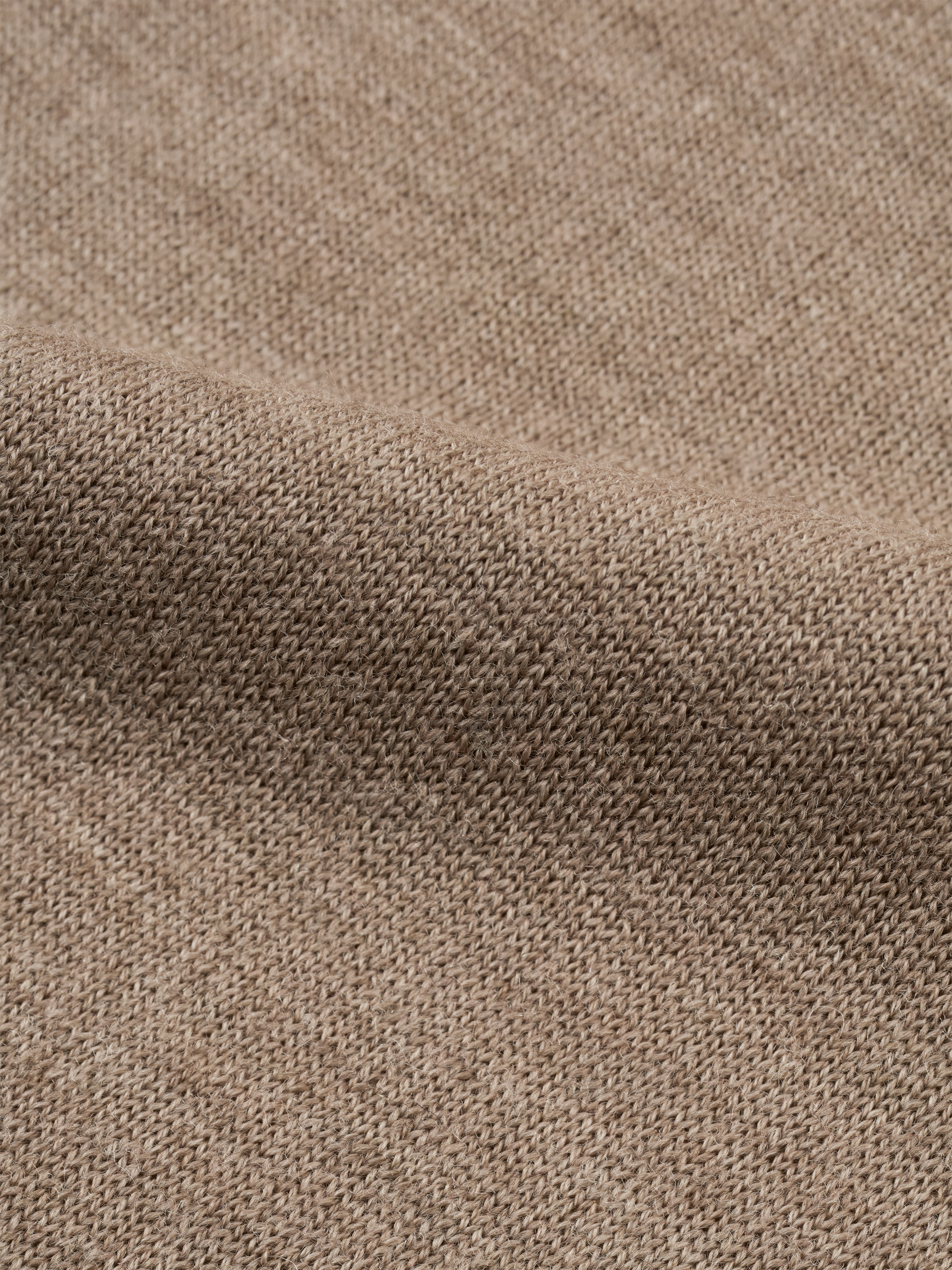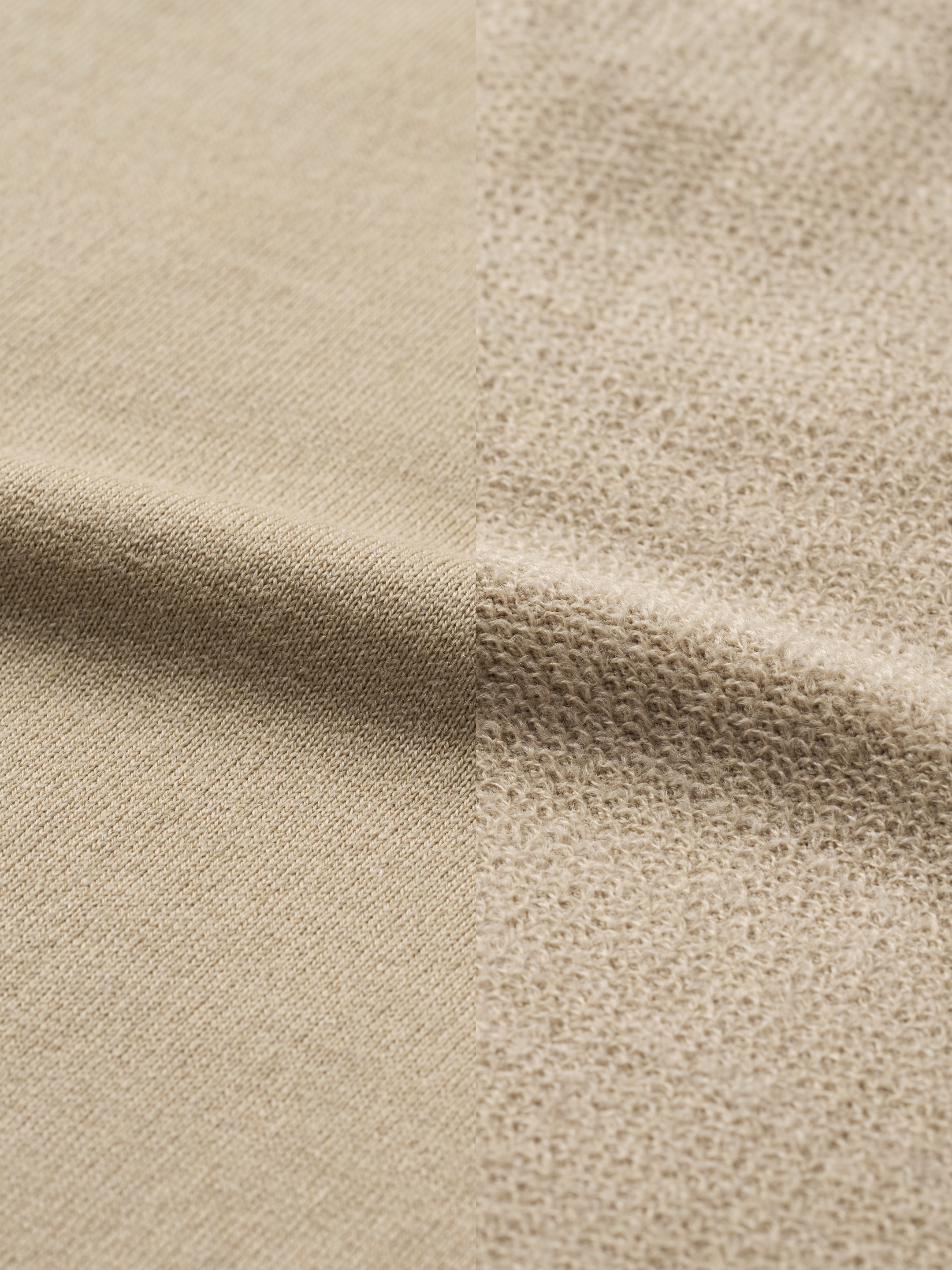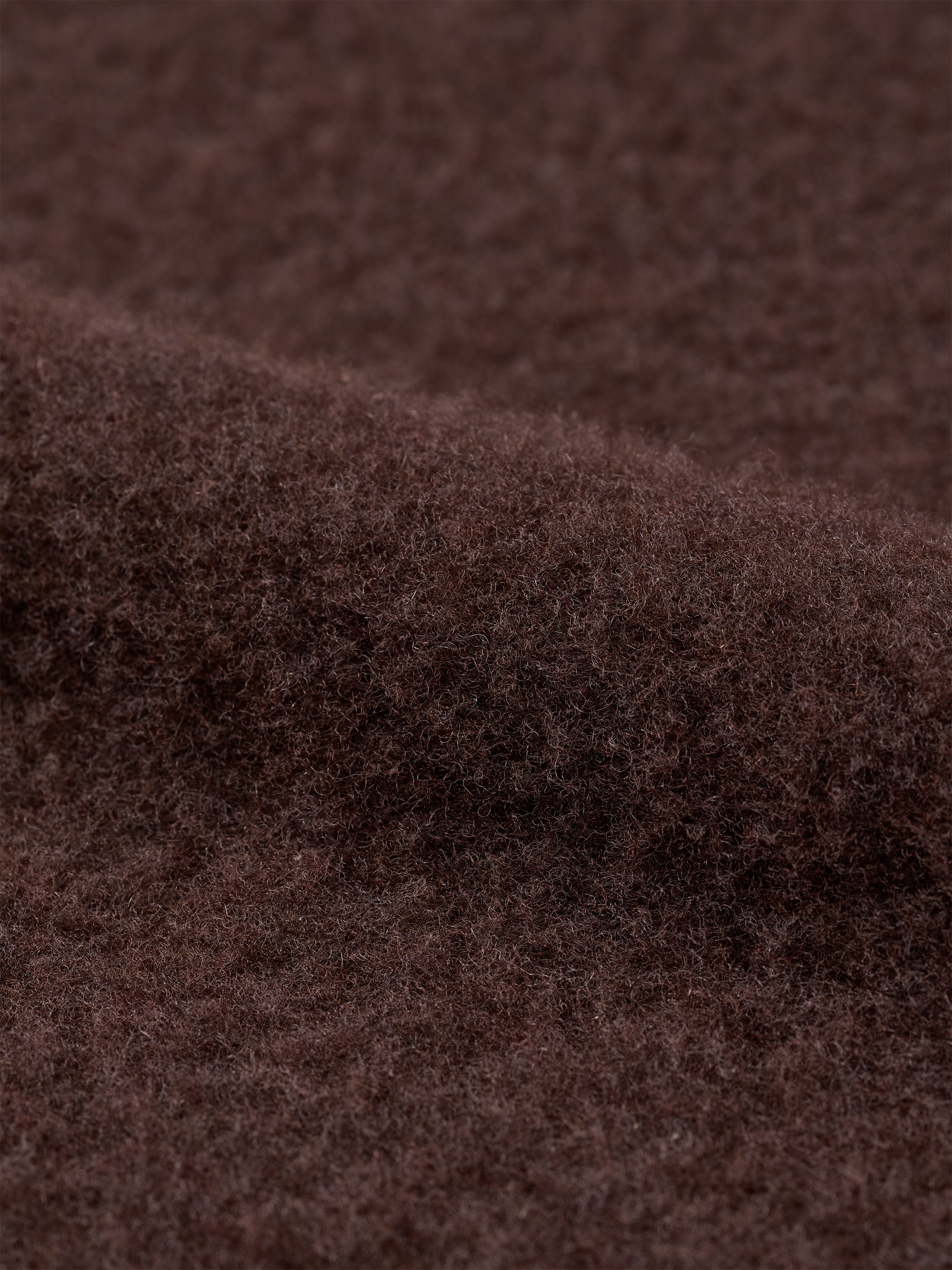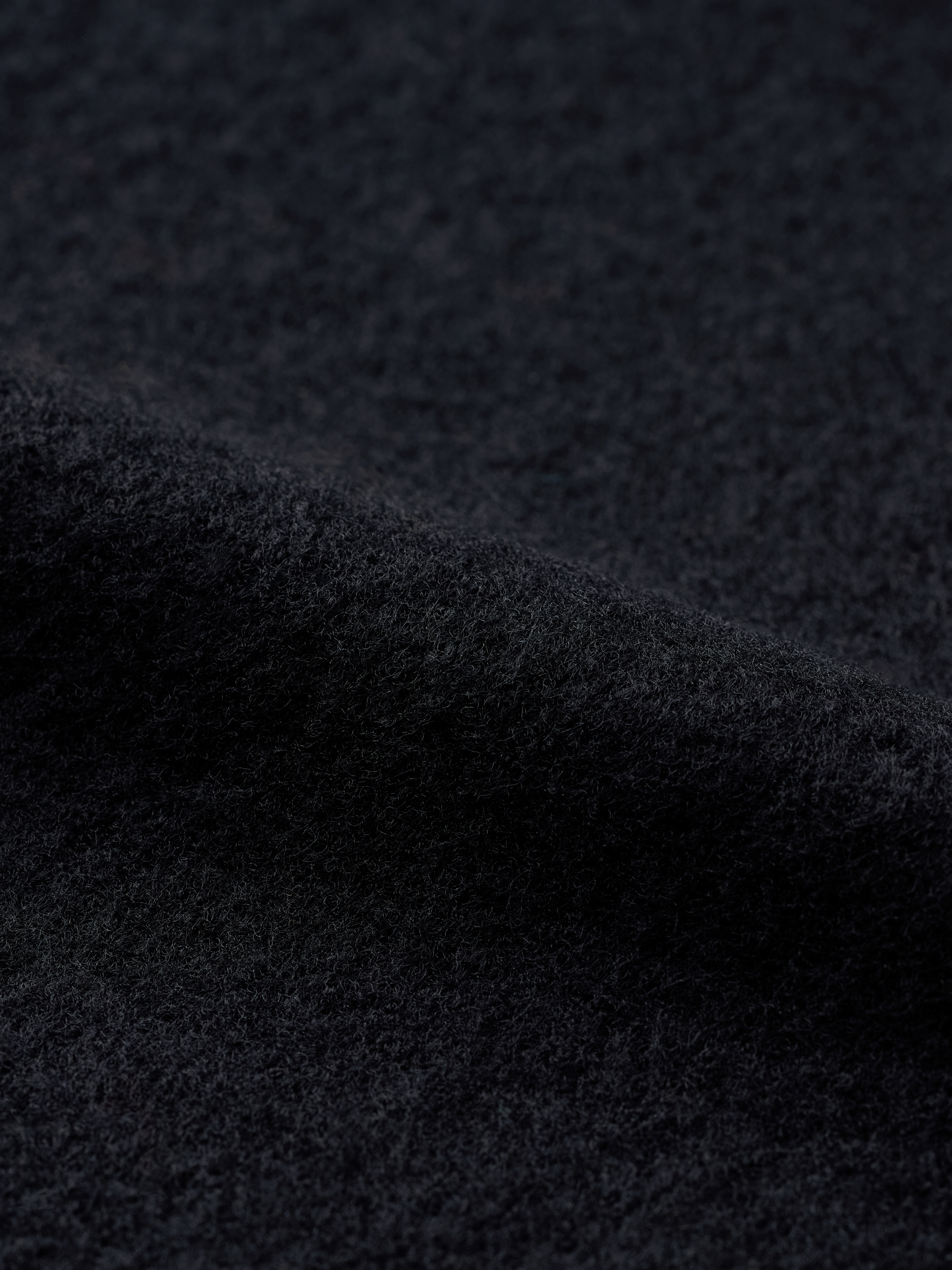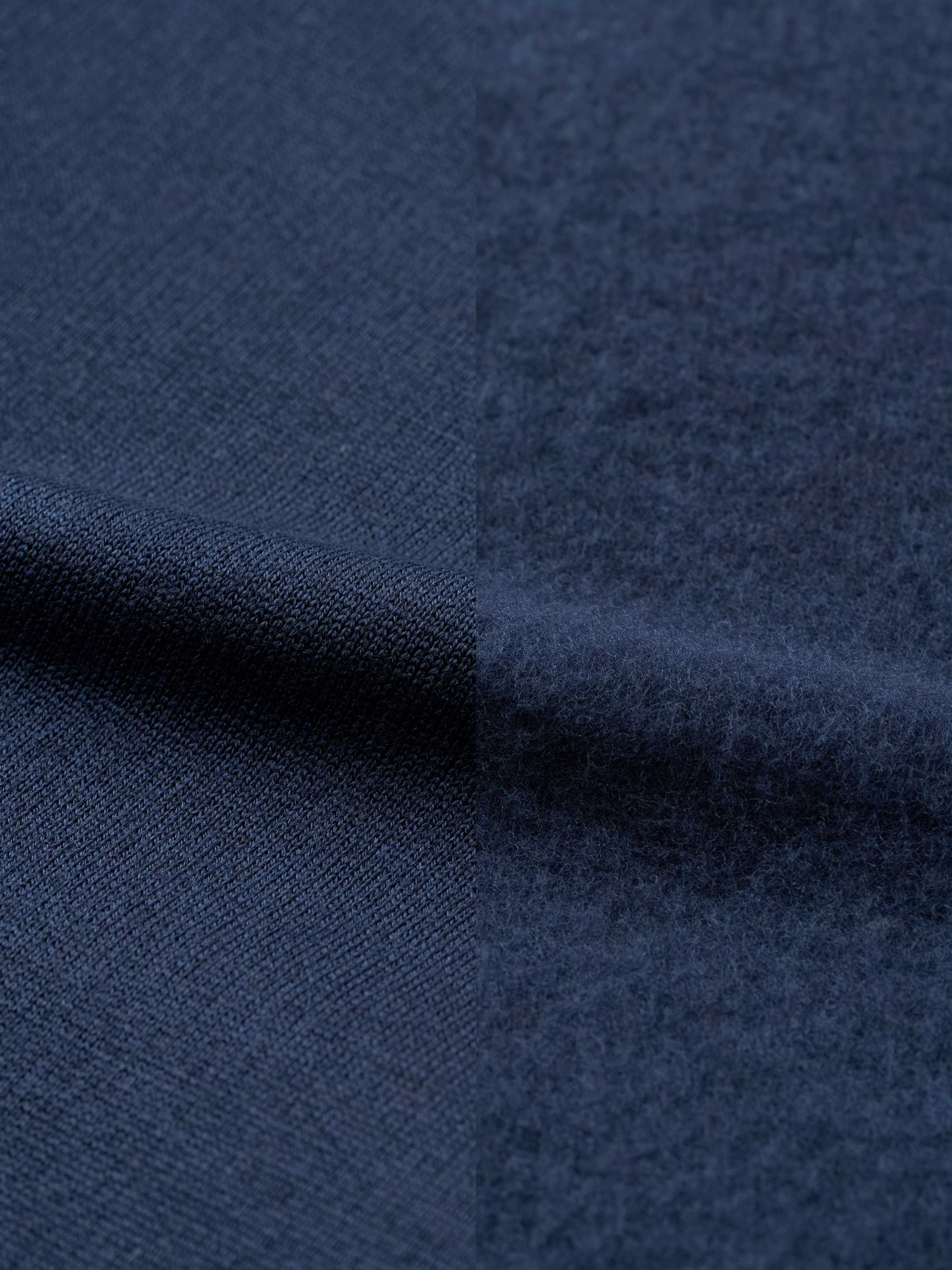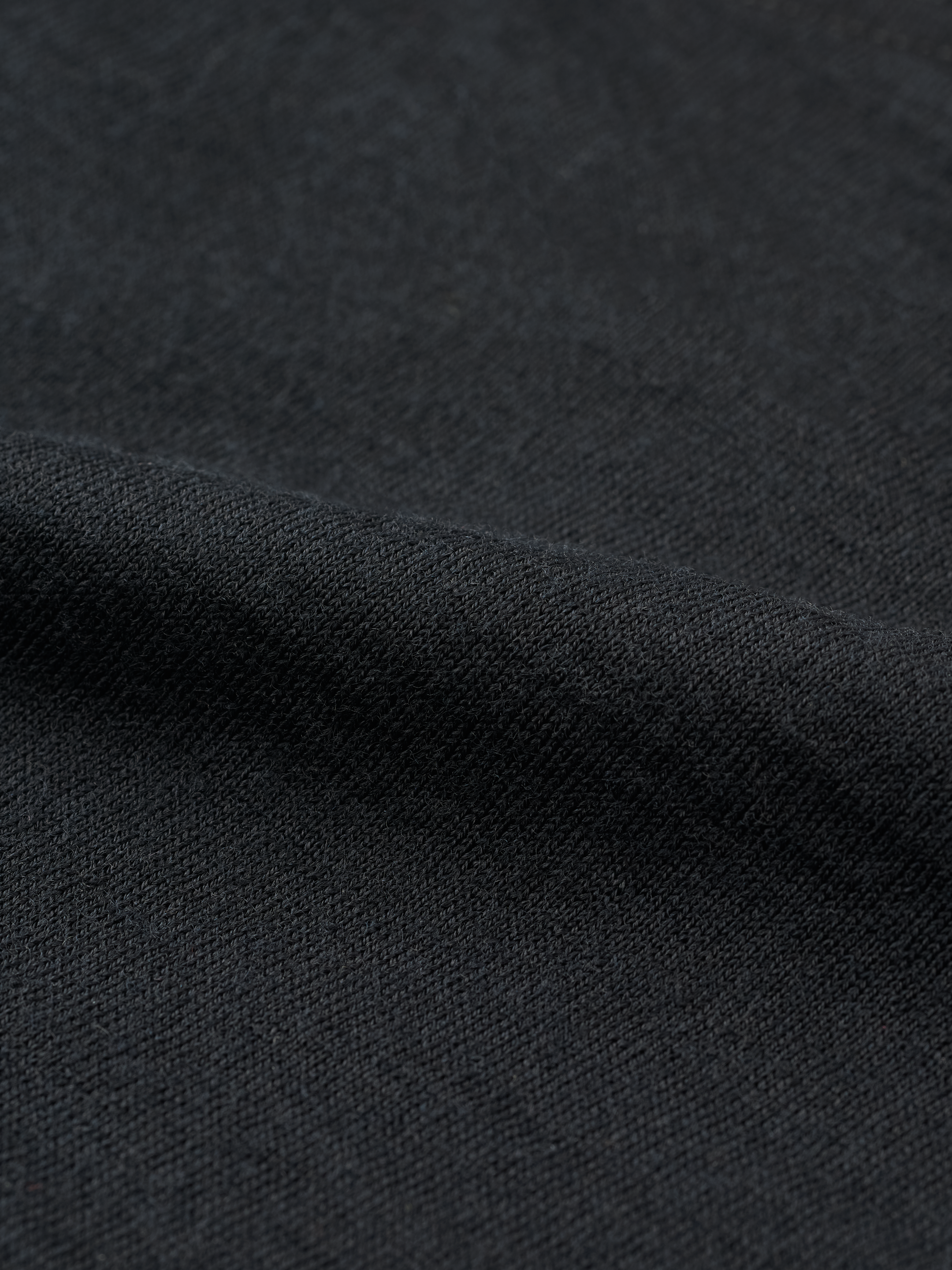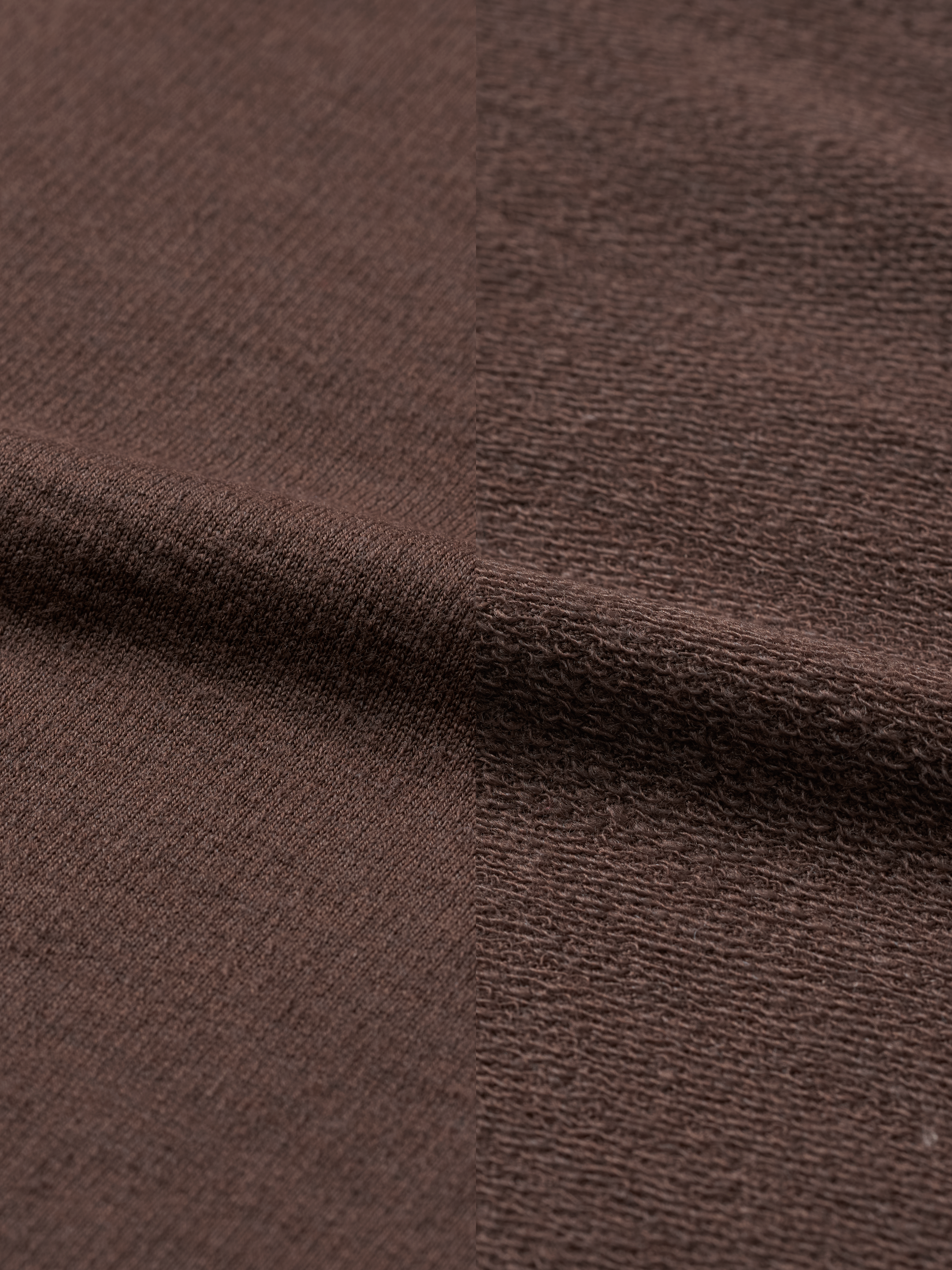
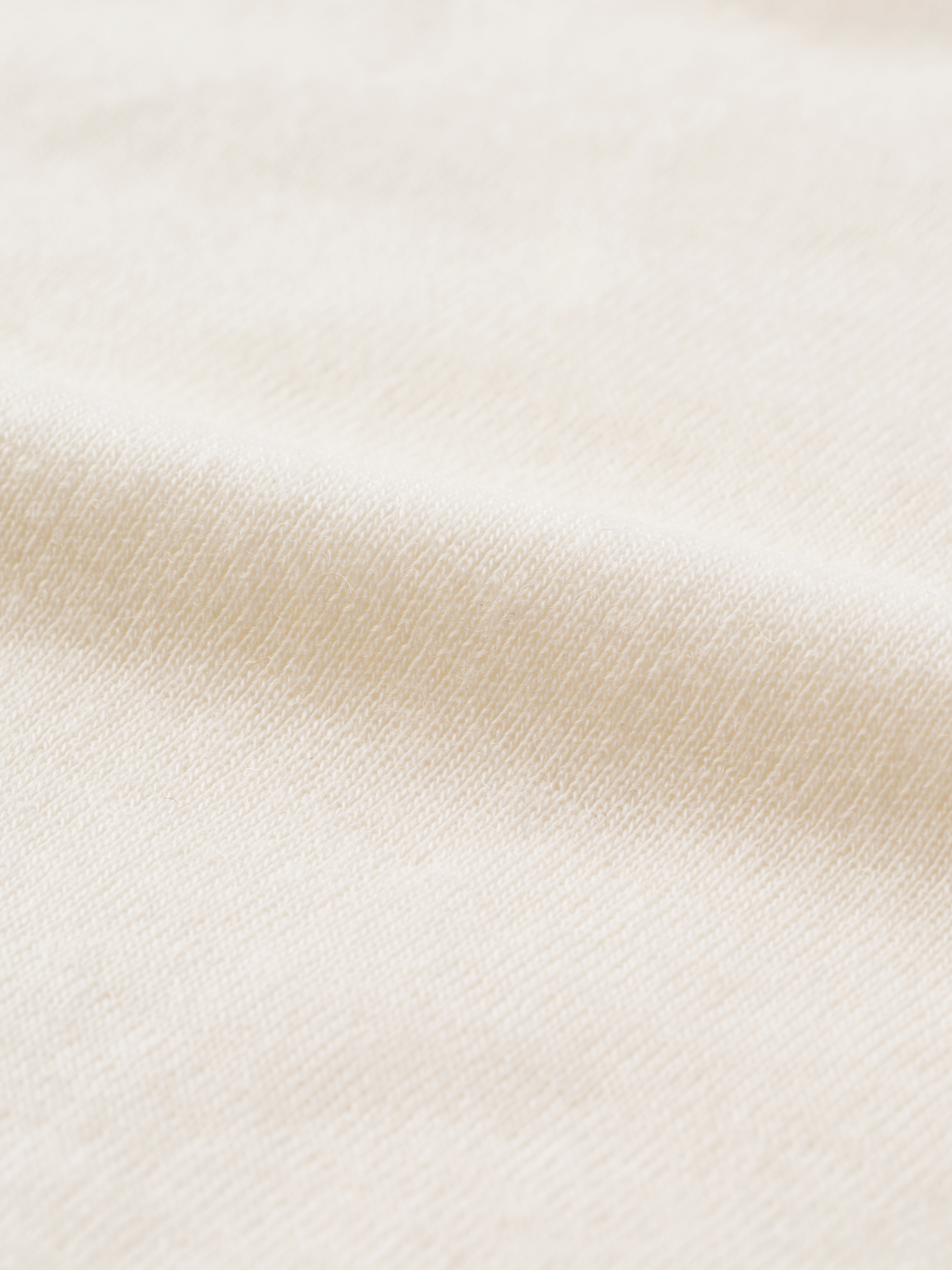
Smooth knit
- Micron
- 21.5 µm
- Material weight
- 210 g/m²

Free delivery
Free delivery with purchases over £49

100-day return
Returns are accepted within 100 days

Shipping
Your order will be delivered within 3-5 working days
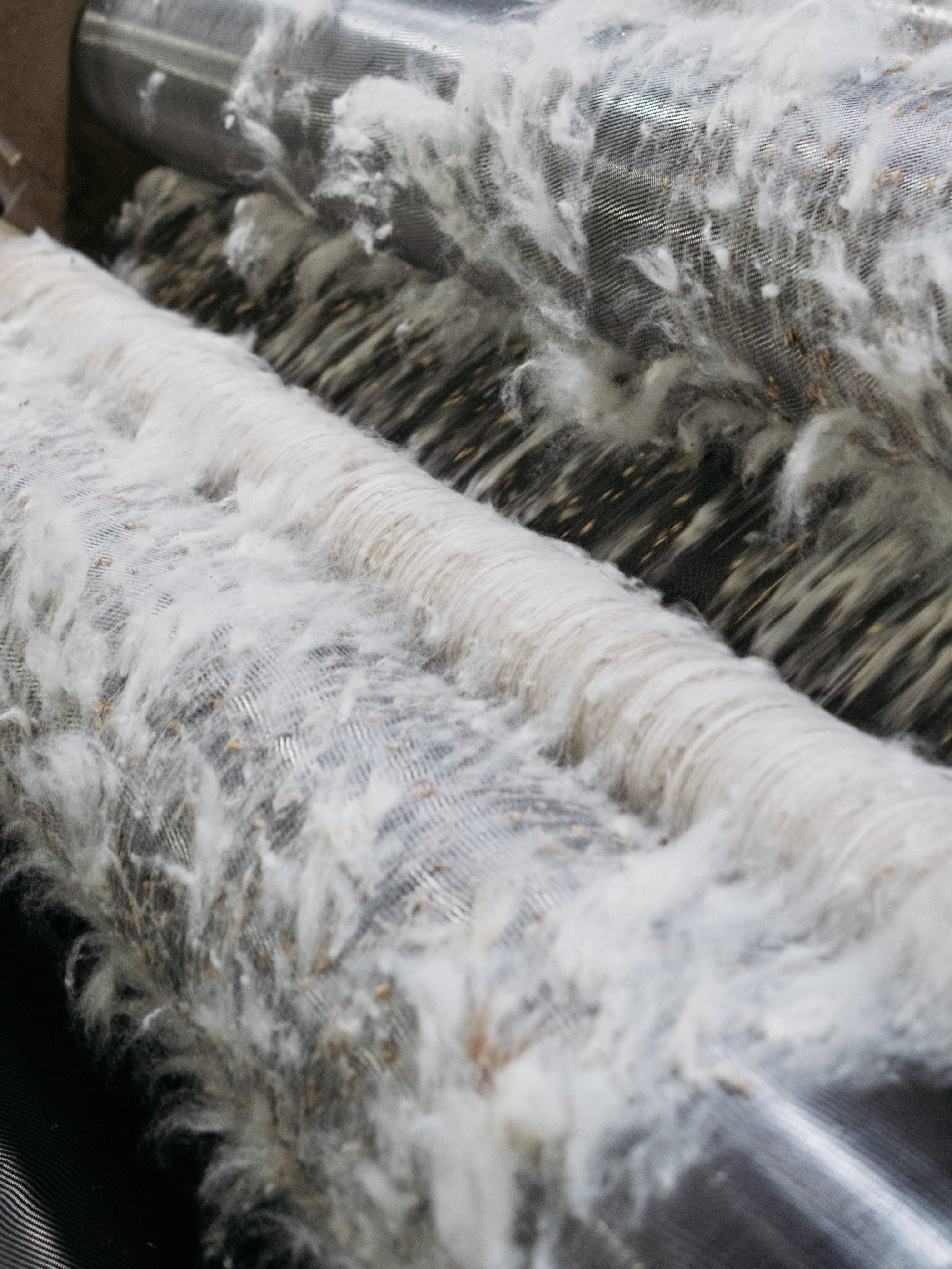
Our expertise lies within
natural materials.
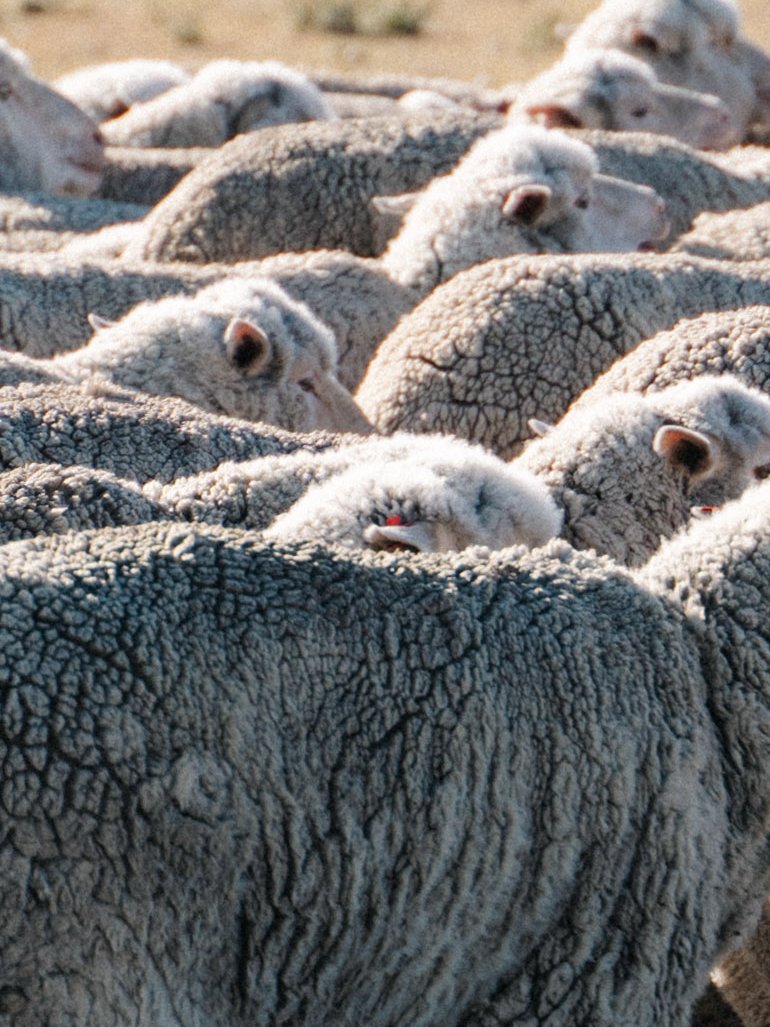
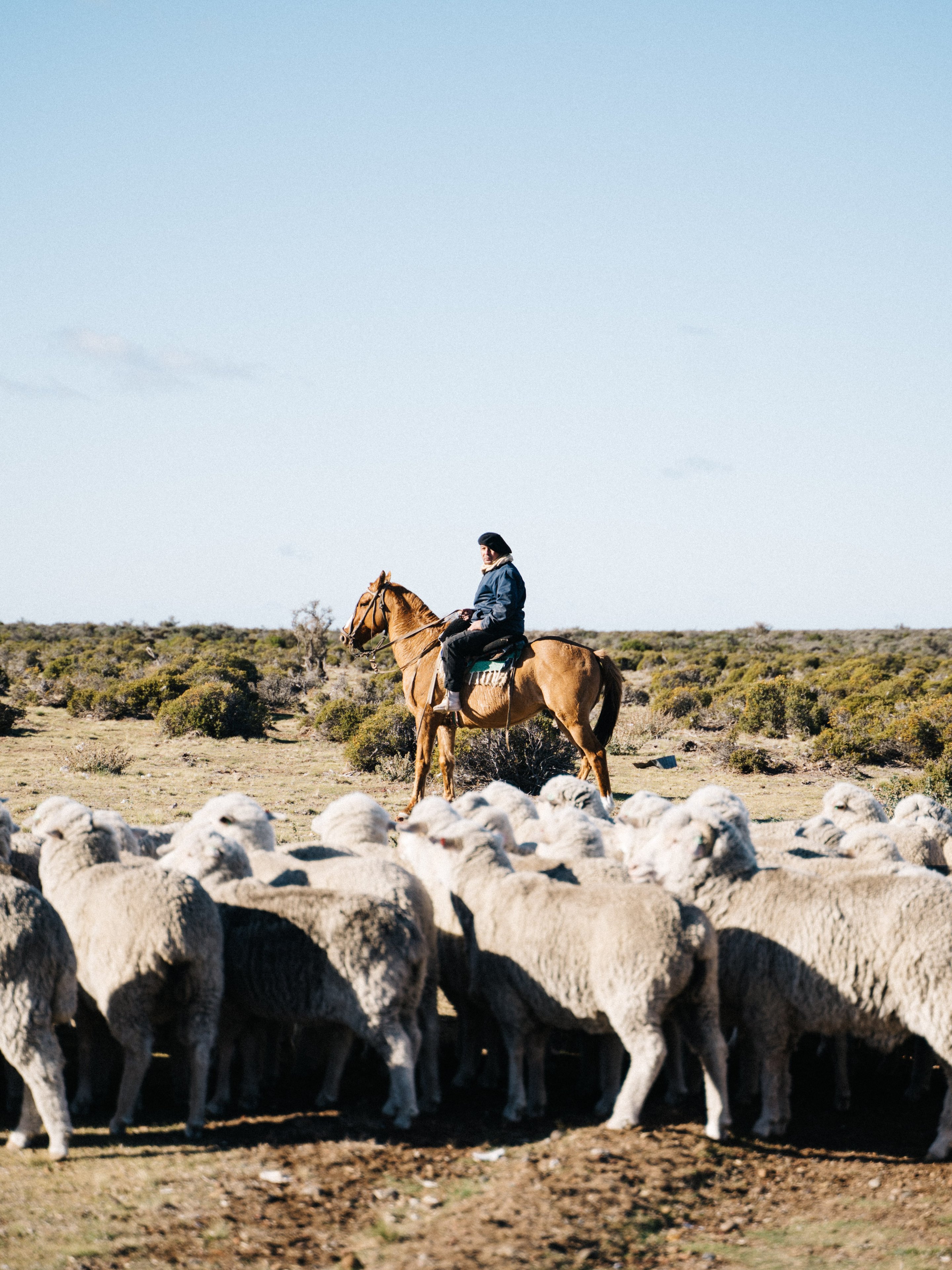
For our products, we use merino wool, which is among the finest and softest wool qualities in the world. Our merino wool is 100% organic. It comes from non-mulesed sheep from farmers who adhere to the highest standards of animal welfare. Essentially, when you buy wool products from DILLING, you are always ensured high quality wool from happy sheep.
Read more about the sheep and their welfare here.
For our products, we use merino wool of 17.5 micron (superfine) to 21.5 (medium) with Nm ranging from 40/1 to 72/2.
Read more about our micron- and numero metric (Nm) counts below.
The characteristics of the final product will vary according to different factors – like knitting technique and fibre composition.
To help you differentiate between our wool qualities, we have named each either by the knitting technique applied (1x1, 8x1, multi rib, 4x2, single, loop back, and terry), fibre composition (merino wool/silk, merino wool/alpaca), or treatment (wool fleece).
Our products are produced without the use of harmful chemicals.
All the products made from our signature wool quality – the 1x1, 8x1, and multi rib - have received a unique 10-hour enzyme treatment at our dyehouse for a soft hand feel.
Read more about our enzyme treatment here.
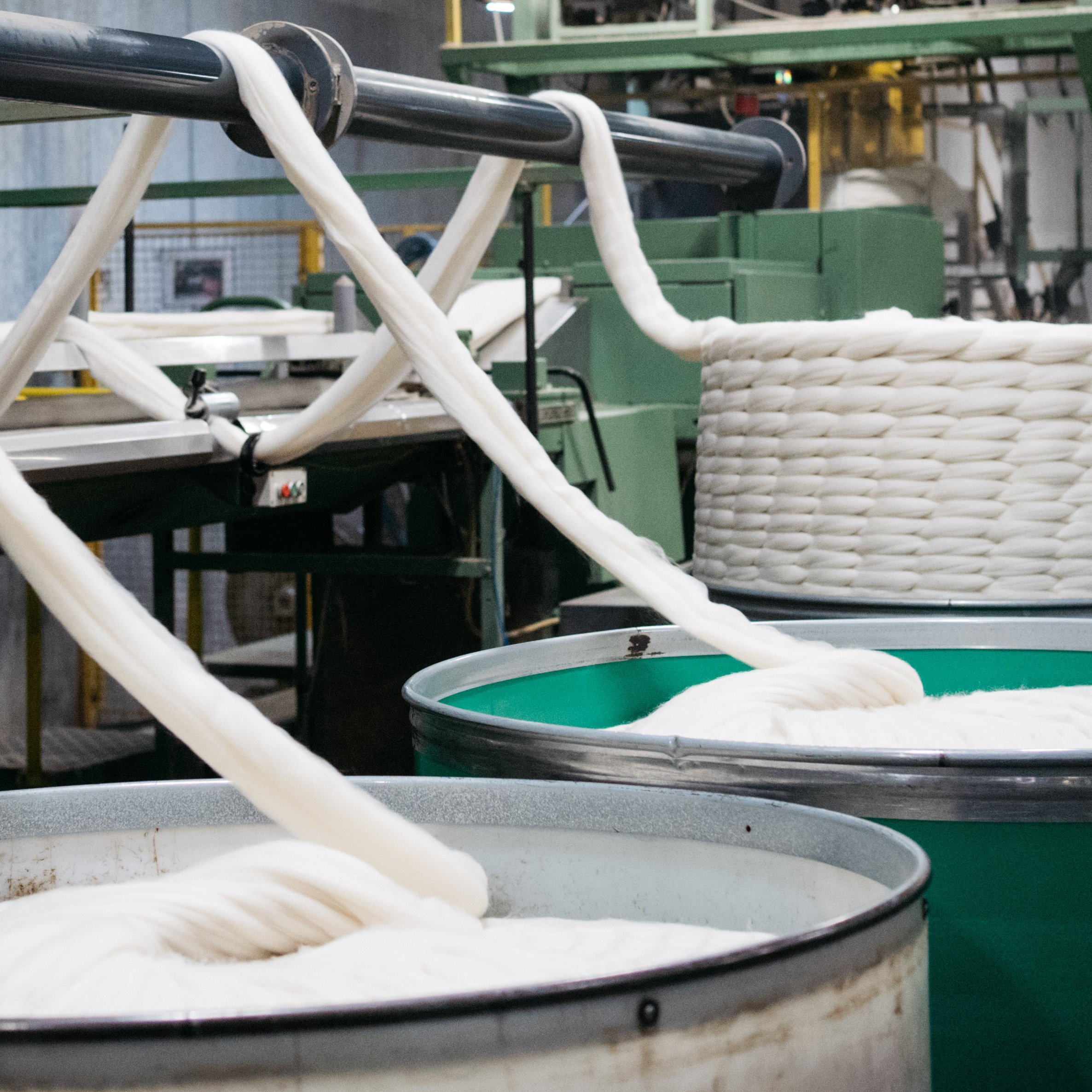
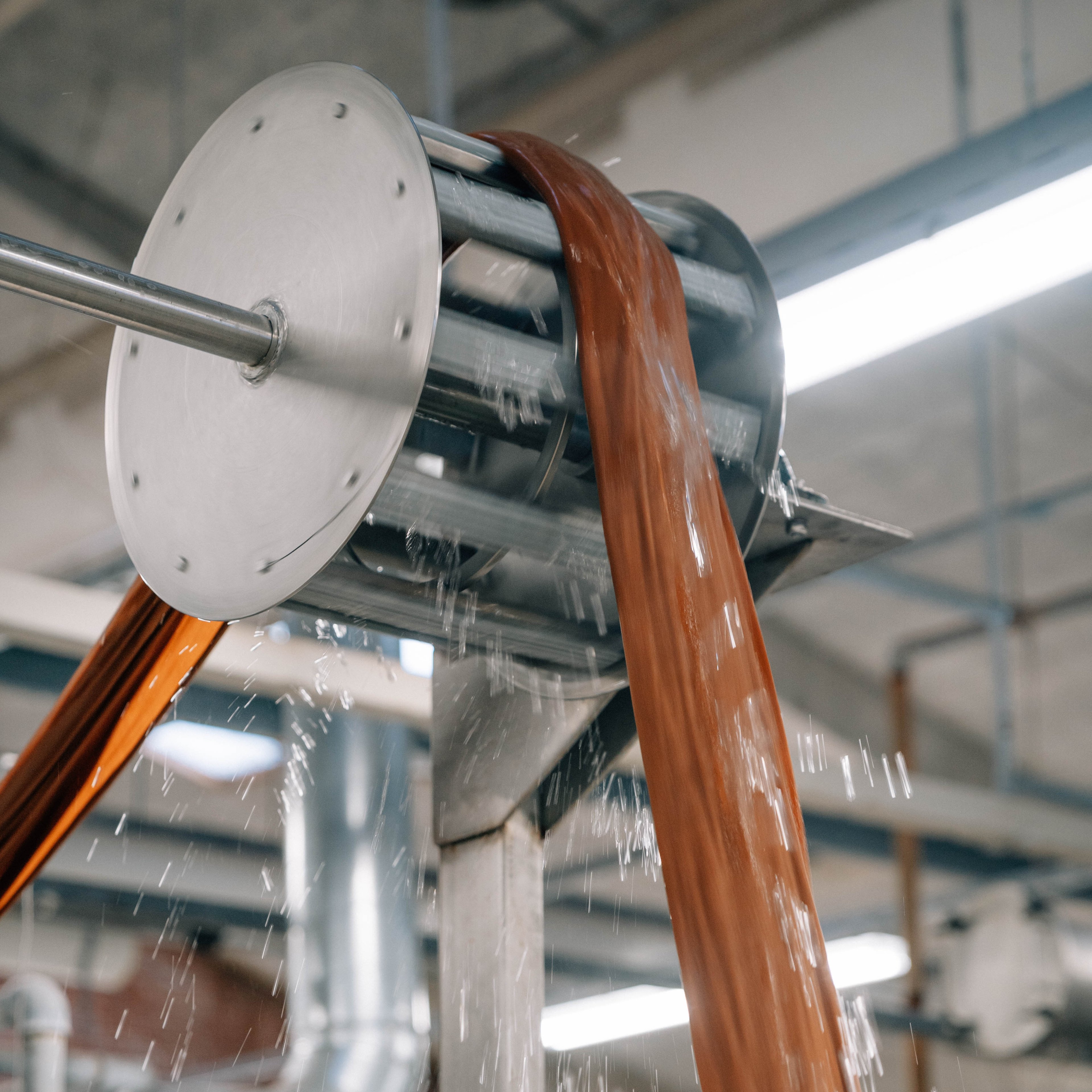
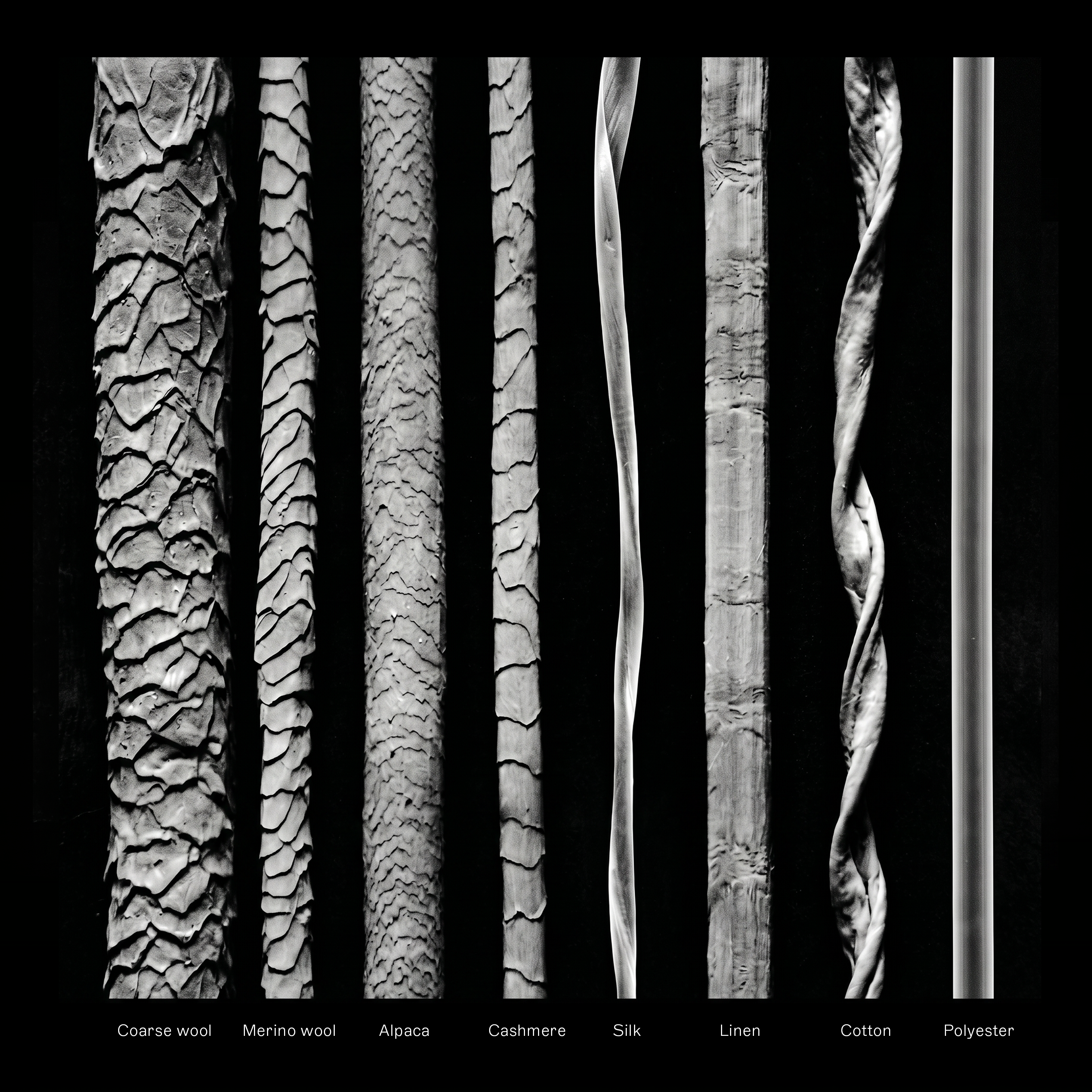
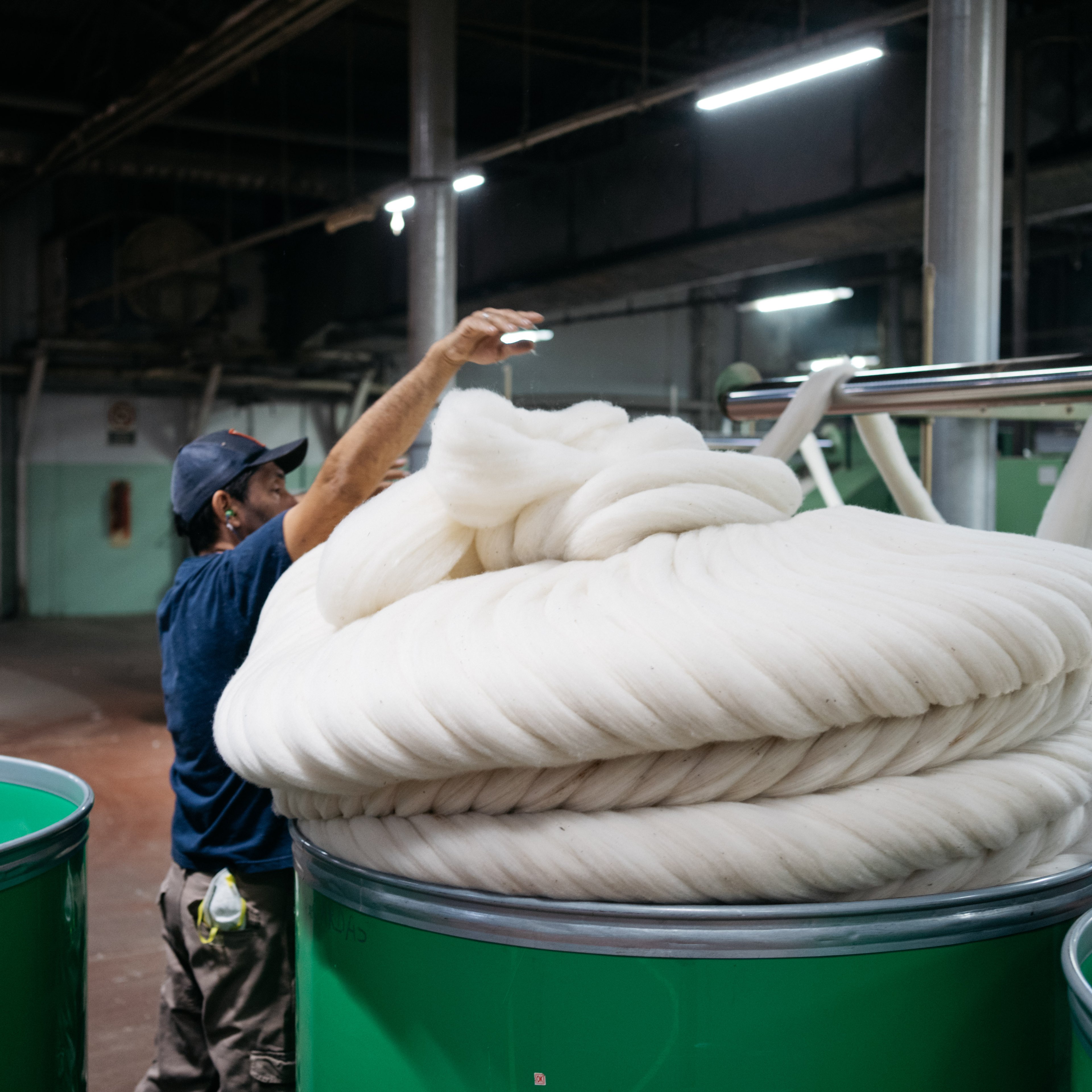
Wool isn’t just wool. There are actually major differences between the types of wool – not only in terms of quality, but also – and perhaps more importantly – how the fibres are treated during production.
At our dyehouse, we work with untreated and treated merino wool. The majority of our wool is completely untreated when it arrives at the dyehouse. Here, it will undergo our unique enzyme treatment. Some of the qualities have already undergone a Naturetexx® Plasma treatment – a treatment using electricity and air to treat the wool fibres – or an EXP treatment* before they arrive at the dyehouse. You can always see which treatment the product has undergone on the product page under Specifications. The treatments used for the different qualities are also listed in our material overview below.
What all our wool qualities have in common is that they have not undergone a Superwash treatment. Combined with our decision to refrain from using heavy metals in our dyehouse, this way of working with merino wool is unique within the industry.
Superwash is a treatment that is used to improve the wool’s washing abilities first by removing the itchy hairs with chlorine and then coating the fibres with a thin layer of plastic either natural tree resin, or artificial resin, some form of plastic. This treatment makes the wool more resistant to sudden temperature changes and rough handling. All in all, it makes the wool fibres washing-machine friendly. Unfortunately, with this treatment a lot of chlorine (AOX) is discharged with the wastewater, which has a negative impact on the environment. The treatment also ruins a lot of the natural properties of the wool. The plastic coating impairs the wool fibres’ natural ability to insulate against the cold, regulate temperatures, and absorb moisture.
*During the EXP treatment, the wool is oxidised using natural salts to soften the outer scale layer. It is then encapsulated in micro patches of a naturally occurring polymer. As the polymer treatment is minimal, consisting of small, individual patches on the wool fibre, the EXP treatment ensures that the wool retains its natural properties and remains soft and itch-free. At DILLING, we consider the EXP treatment a good alternative to Superwash. With a Superwash treatment, the entire wool fibre is encapsulated in a plastic polymer, and chlorine is used in the process. What our treatments have in common is that we do not use chlorine.
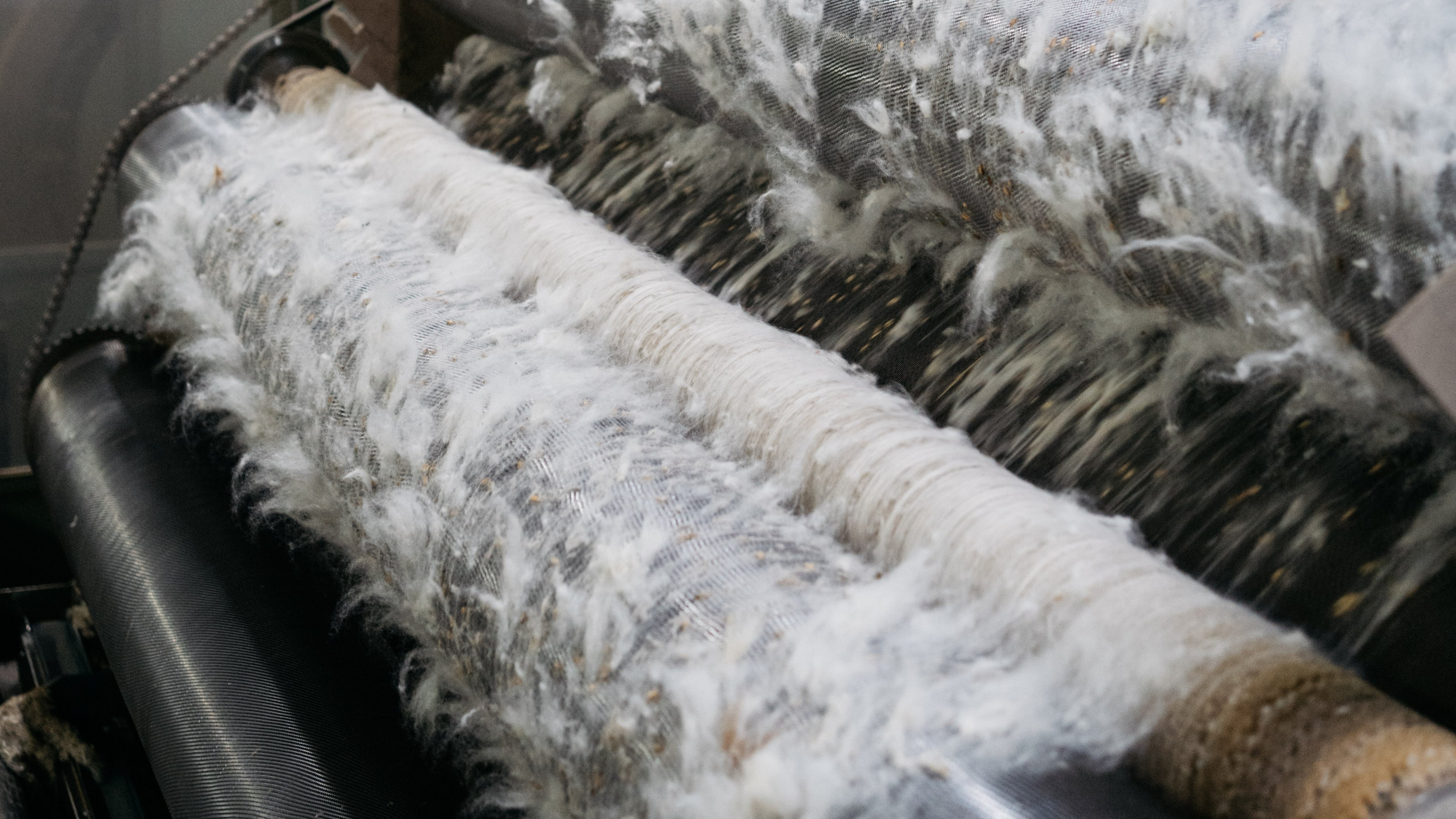
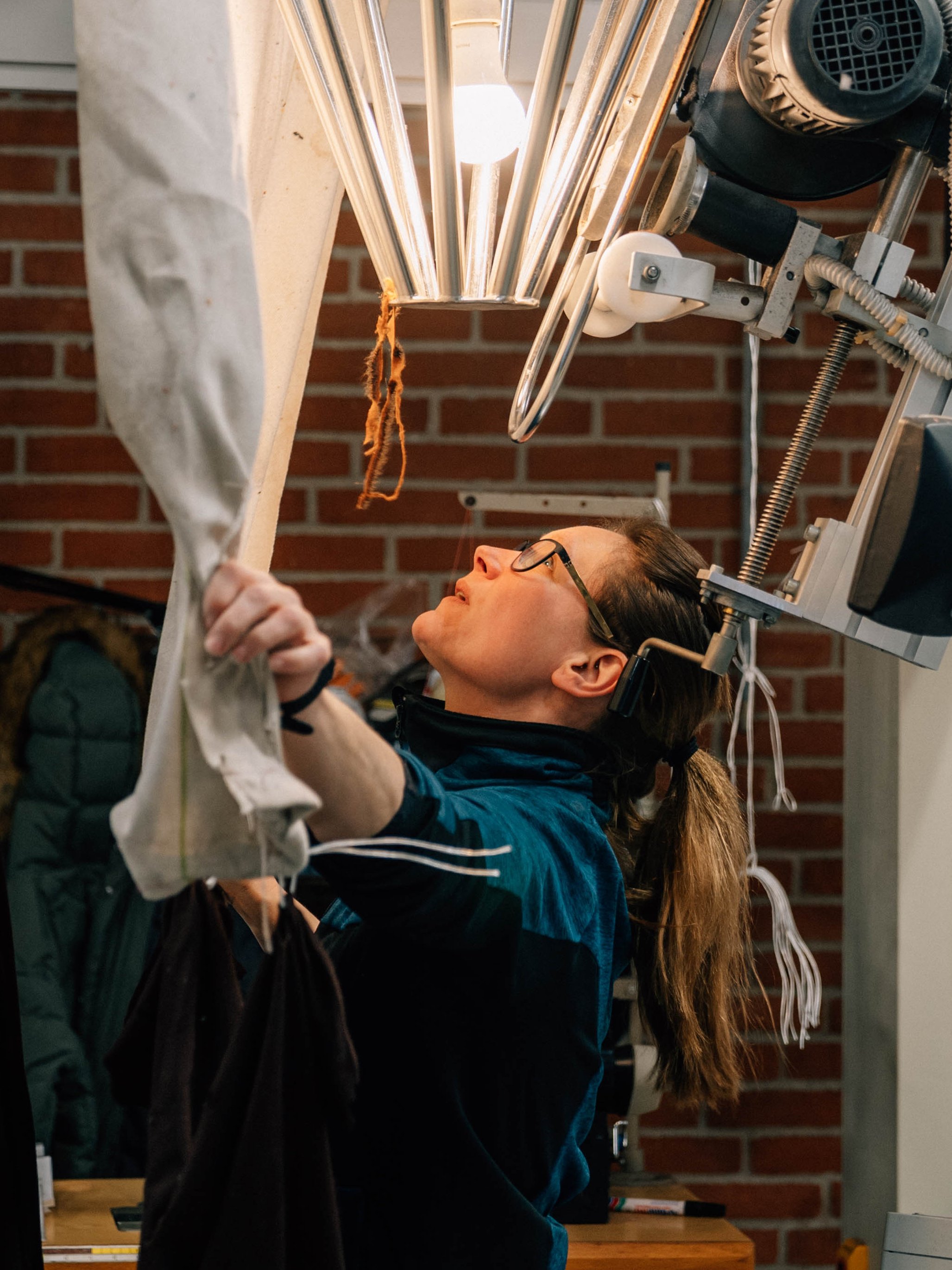
Instead of using a Superwash treatment to soften the untreated merino wool fibres, we use a 10-hour long dye and enzyme treatment. The enzyme treatment works by attacking peptide bonds to break down proteins. This gently removes the itchy hairs and softens the wool fibres, while leaving all the natural benefits of the merino wool completely intact – so you get an extraordinarily soft, clean, and light product.
This enzyme treatment makes our wool unique. It does, however, make our merino wool products more sensitive to sudden temperature changes and rough handling. So, to keep the wonderful, natural properties of the merino wool fibres intact, make sure you follow the washing instructions on the care label inside your garment or visit our washing guide here to find washing instructions for your DILLING wool.
Read more about our enzyme treatment here.
Merino wool has a much finer micron than all other wool types, which is also why it is so suitable for next to skin clothing and performance– and sportswear. You see, when the fine merino wool fibres touch the skin, they simply bend – unlike other wool types that are prone to prickle and scratch the skin. For our products, we use superfine 17.5 to medium 21.5 microns, where one micron equals one millionth of a metre. For comparison, human hair is typically 50 microns.
In addition, we specify the count of the yarn, for example, Nm 40/1. Nm stands for “numero metric count” and is based on the number of 1000m (metre) units in a kg (kilogram) of yarn (1000m/kg). As a rule of thumb, the finer the yarn, the higher the count number.
All counts have two numbers – the first number is the count and the second is the number of strands (or ends) that have been twisted together to create the yarn. In our example, Nm 40/1, one kilo consists of 40.000 metres of yarn and a single strand. If the count would have been 40/2, it would refer to one kilo of yarn consisting of 40.000 metres of yarn and two strands twisted together, which, ultimately, would result in a thicker and plusher wool product.
For our products, we use merino wool with Nm ranging from 40/1 to 72/2.
Our other materials
At DILLING, we’ve been producing cotton products since 1943 – which means today’s products are the result of many years of experience and fine-tuning. We only work with a few trusted cotton suppliers who bring decades of expertise, and every piece is designed in Denmark with a focus on timeless quality.
Much of our underwear is made from cotton. These are the pieces you wear every day – close to your skin. That’s why your underwear should be made from good, organic fibres of high quality.
Our cotton clothing is made from long-staple, organic cotton grown without the use of pesticides or insecticides. This means our cotton garments are durable and of high quality – made to be worn year after year.
Our lambswool comes from the first shearing of a young sheep, which means you get clothing made from an extra fine, soft and lightweight fibre. Lambswool is also known for its excellent insulating ability and natural breathability, making it particularly well suited as a warm and comfortable mid-layer on cold days.
Cashmere shares the same breathable and temperature-regulating properties as merino wool.
For those with sensitive skin or latex allergies, our product descriptions clearly state whether items contain latex or elastane and if these materials are encased or in direct contact with the skin.
Latex used in our products is a natural material from rubber trees (Hevea Brasiliensis), now mainly produced in Asia. It is extracted as liquid latex, dried, and mildly vulcanised with sulfur to create elasticity. This makes it soft, breathable, durable, and able to adapt to the body. Latex is also biodegradable.
Some people may develop latex allergies, often caused by natural proteins in the material. Risk increases with direct exposure, which is why allergies are more common in healthcare workers (3–17%) but affect less than 1% of the general population. Reactions typically include red, irritated skin, sometimes with blisters.
The latex used in DILLING products is free from harmful chemicals and OEKO-TEX® certified.
Elastane is a man-made alternative to natural latex, derived from oil-based materials like polyurethane and polyethylene glycol. It can stretch up to 400% and return to its original shape, making it smooth, lightweight, durable, and ideal for a close, comfortable fit.
Unlike latex, elastane does not contain the proteins that can cause allergies. However, it is not biodegradable and may persist in the environment if not disposed of properly.
Explore more
Filter per material
To help you distinguish between our wool qualities, you will find a complete overview below. Our wool qualities are named according to either the knitting technique or fibre composition.